
Introduction
A bright and healthy smile is one of the first things people notice about us. Good oral hygiene not only improves appearance but also plays an important role in overall health. While brushing and flossing at home are essential daily habits, they are not always enough to remove all plaque, tartar, and stains from the teeth. This is where professional teeth cleaning and polishing become important.
Teeth cleaning and polishing are common dental procedures designed to keep your teeth and gums healthy. These treatments help prevent cavities, gum disease, bad breath, and other oral health problems. They also make your teeth look cleaner, brighter, and smoother.
In this article, we will explain what teeth cleaning and polishing are, why they are important, how the procedure works, their benefits, and how often you should schedule dental cleanings.
What Is Teeth Cleaning?
Teeth cleaning is a professional dental procedure performed by a dentist or dental hygienist. The purpose of cleaning is to remove plaque, tartar, and bacteria that build up on the teeth and along the gum line.
Plaque is a sticky film of bacteria that forms on the teeth every day. If plaque is not removed through regular brushing and flossing, it hardens into tartar. Once tartar forms, it cannot be removed with a toothbrush and requires professional dental tools.
Professional cleaning helps eliminate these deposits and reduces the risk of oral health problems.
What Is Teeth Polishing?
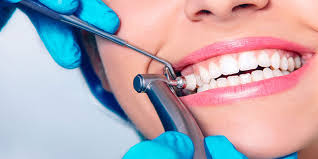
Teeth polishing is usually performed after cleaning. During this process, a special polishing paste and rotating brush are used to smooth the tooth surfaces.
Polishing helps remove minor stains caused by coffee, tea, soft drinks, tobacco, and certain foods. It leaves the teeth feeling smooth and shiny while improving the appearance of your smile.
Although polishing does not whiten teeth like professional whitening treatments, it can make teeth appear brighter by removing surface stains.
Why Are Teeth Cleaning and Polishing Important?
Many people believe that brushing twice a day is enough to maintain healthy teeth. While brushing is important, it cannot always remove plaque and tartar from hard-to-reach areas.
Professional cleaning and polishing offer several important benefits:
Prevent Cavities
Plaque contains harmful bacteria that produce acids. These acids attack tooth enamel and can lead to cavities. Removing plaque helps protect the teeth from decay.
Protect Against Gum Disease
Plaque and tartar buildup around the gums can cause inflammation, bleeding, and infection. Regular cleaning reduces the risk of gingivitis and periodontal disease.
Eliminate Bad Breath
Persistent bad breath is often caused by bacteria trapped in plaque and tartar. Professional cleaning helps remove these bacteria and improves breath freshness.
Improve Appearance
Polishing removes surface stains and gives teeth a cleaner, brighter look. This can boost confidence and improve your smile.
Detect Dental Problems Early
During routine dental visits, dentists can identify issues such as cavities, gum disease, oral infections, and other concerns before they become serious.
The Teeth Cleaning and Polishing Procedure
Many patients feel nervous before their first dental cleaning appointment. However, the procedure is usually simple, comfortable, and painless.
Step 1: Oral Examination
The dentist or dental hygienist begins by examining your teeth and gums. They look for signs of plaque buildup, cavities, gum disease, or other dental concerns.
Step 2: Scaling
Scaling involves removing plaque and tartar from the teeth using specialized dental instruments. These tools can clean areas that are difficult to reach with a toothbrush.
Some dental offices use ultrasonic scalers that use vibrations and water to break apart tartar deposits.
Step 3: Deep Cleaning Between Teeth
After scaling, the dentist carefully cleans the spaces between the teeth and along the gum line to remove any remaining debris.
Step 4: Polishing
A soft rotating brush and polishing paste are used to polish the teeth. This process smooths the tooth surfaces and removes minor stains.
Most polishing pastes have a pleasant flavor, making the procedure more comfortable.
Step 5: Flossing
The dental professional may floss between your teeth to remove any leftover particles and ensure a thorough clean.
Step 6: Fluoride Treatment (Optional)
Some patients receive a fluoride treatment after cleaning. Fluoride helps strengthen tooth enamel and provides additional protection against cavities.
Benefits of Professional Teeth Cleaning and Polishing
Professional cleaning and polishing offer many advantages beyond simply making teeth look cleaner.
Healthier Gums
Regular cleanings reduce inflammation and help maintain healthy gums. Healthy gums are essential for supporting strong teeth.
Reduced Risk of Tooth Loss
Advanced gum disease is one of the leading causes of tooth loss in adults. Routine dental cleanings help prevent gum disease and preserve natural teeth.
Better Overall Health
Research suggests that oral health is connected to overall health. Poor oral hygiene may contribute to conditions such as heart disease, diabetes, and respiratory infections.
Maintaining healthy teeth and gums may support better general health.
Enhanced Confidence
Clean, polished teeth can improve self-esteem. Many people feel more comfortable smiling, speaking, and interacting with others after a professional cleaning.
Cost Savings
Preventive dental care is often less expensive than treating serious dental problems. Regular cleanings can help avoid costly procedures such as root canals, gum surgery, and tooth extractions.
Who Needs Teeth Cleaning and Polishing?
Almost everyone can benefit from professional dental cleanings.
The following individuals may especially benefit:
- People with plaque and tartar buildup
- Smokers
- Coffee and tea drinkers
- Individuals with braces
- Patients with gum disease
- People prone to cavities
- Individuals with bad breath
- Those seeking a brighter smile
Even people with excellent oral hygiene should schedule regular dental checkups and cleanings.
How Often Should You Get Your Teeth Cleaned?
Most dentists recommend professional teeth cleaning and polishing every six months.
However, some people may need more frequent visits depending on their oral health condition.
Factors that may require more frequent cleanings include:
- Gum disease
- Heavy tartar buildup
- Smoking
- Diabetes
- Dry mouth
- Orthodontic treatment
Your dentist can recommend the best cleaning schedule based on your individual needs.
Tips for Maintaining Clean Teeth Between Dental Visits
Professional cleanings are important, but daily oral care is equally essential.
Follow these tips to keep your teeth healthy:
Brush Twice Daily
Use fluoride toothpaste and brush for at least two minutes twice a day.
Floss Every Day
Flossing removes plaque and food particles from areas that a toothbrush cannot reach.
Limit Sugary Foods and Drinks
Excess sugar increases the risk of cavities and tooth decay.
Drink Plenty of Water
Water helps wash away food particles and bacteria from the mouth.
Avoid Tobacco Products
Smoking and tobacco use increase the risk of gum disease, tooth discoloration, and oral cancer.
Visit Your Dentist Regularly
Routine checkups allow dentists to monitor oral health and provide preventive care.
Are Teeth Cleaning and Polishing Safe?
Yes, professional teeth cleaning and polishing are generally very safe. These procedures are performed by trained dental professionals using specialized equipment.
Some people may experience temporary sensitivity after cleaning, especially if significant tartar is removed. However, this sensitivity usually disappears within a few days.
Patients with specific dental conditions should discuss any concerns with their dentist before treatment.
Conclusion
Teeth cleaning and polishing are essential parts of maintaining excellent oral health. These professional treatments remove plaque, tartar, and surface stains that cannot be eliminated through regular brushing alone. They help prevent cavities, gum disease, bad breath, and tooth loss while improving the appearance of your smile.
Regular dental cleanings, combined with good oral hygiene habits at home, can keep your teeth strong and healthy for many years. Investing in preventive dental care today can help you avoid serious dental problems in the future and enjoy a brighter, healthier smile.
Frequently Asked Questions (FAQs)
1. Is teeth cleaning painful?
No, teeth cleaning is usually painless. Some people may experience mild discomfort or sensitivity, especially if they have gum inflammation or heavy tartar buildup.
2. How long does a teeth cleaning and polishing appointment take?
A standard cleaning and polishing session usually takes between 30 and 60 minutes, depending on the condition of your teeth.
3. Does teeth polishing whiten teeth?
Polishing removes surface stains and makes teeth appear brighter, but it is not the same as professional teeth whitening treatment.
4. Can teeth cleaning damage enamel?
No, professional cleaning performed by trained dental professionals does not damage tooth enamel. It helps protect teeth by removing harmful plaque and tartar.
5. How often should I get my teeth cleaned?
Most people should have their teeth professionally cleaned every six months. Your dentist may recommend more frequent cleanings if you have gum disease or other oral health concerns.