Endometriosis is a health condition that affects many women and people assigned female at birth, especially during their reproductive years. Even though it is quite common, many people still don’t fully understand what it is, why it happens, and how it affects daily life. In simple words, endometriosis is a condition where tissue similar to the lining of the uterus grows outside the uterus. This can cause pain, discomfort, and sometimes fertility problems.
In this article, we will explain endometriosis in an easy and human way, covering its causes, symptoms, diagnosis, treatment options, and how to live with it.
What is Endometriosis?
Endometriosis is a long-term condition where tissue that is similar to the lining of the uterus (called the endometrium) starts growing in places where it should not grow. These areas can include the ovaries, fallopian tubes, outer surface of the uterus, and sometimes even other organs in the pelvis.
Just like the normal uterine lining, this misplaced tissue also responds to the menstrual cycle. It thickens, breaks down, and bleeds every month. But unlike normal menstrual blood, this blood has no way to leave the body. This leads to inflammation, pain, swelling, and scar tissue formation.
Causes of Endometriosis
The exact cause of endometriosis is still not fully known, but doctors believe several factors may contribute:
1. Retrograde Menstruation
This is one of the most common theories. It means that during periods, some menstrual blood flows backward into the fallopian tubes instead of leaving the body. These cells then attach and grow in the pelvic area.
2. Hormonal Imbalance
Estrogen, a female hormone, may promote the growth of endometrial-like tissue outside the uterus.
3. Immune System Problems
A weak immune system may fail to recognize and destroy endometrial-like tissue growing outside the uterus.
4. Genetics
Endometriosis can run in families. If your mother or sister has it, your chances may be higher.
5. Surgery Transfer
In rare cases, endometrial cells may attach to surgical scars after operations like C-sections or hysterectomies.
Symptoms of Endometriosis
The symptoms of endometriosis vary from person to person. Some people may have severe pain, while others may not feel much at all. The most common symptoms include:
1. Painful Periods
Severe cramps in the lower abdomen and back, especially during menstruation.
2. Pain During Intercourse
Pain during or after sexual activity is a common symptom.
3. Heavy Bleeding
Some people experience very heavy periods or bleeding between cycles.
4. Infertility
Endometriosis can make it harder to get pregnant in some cases.
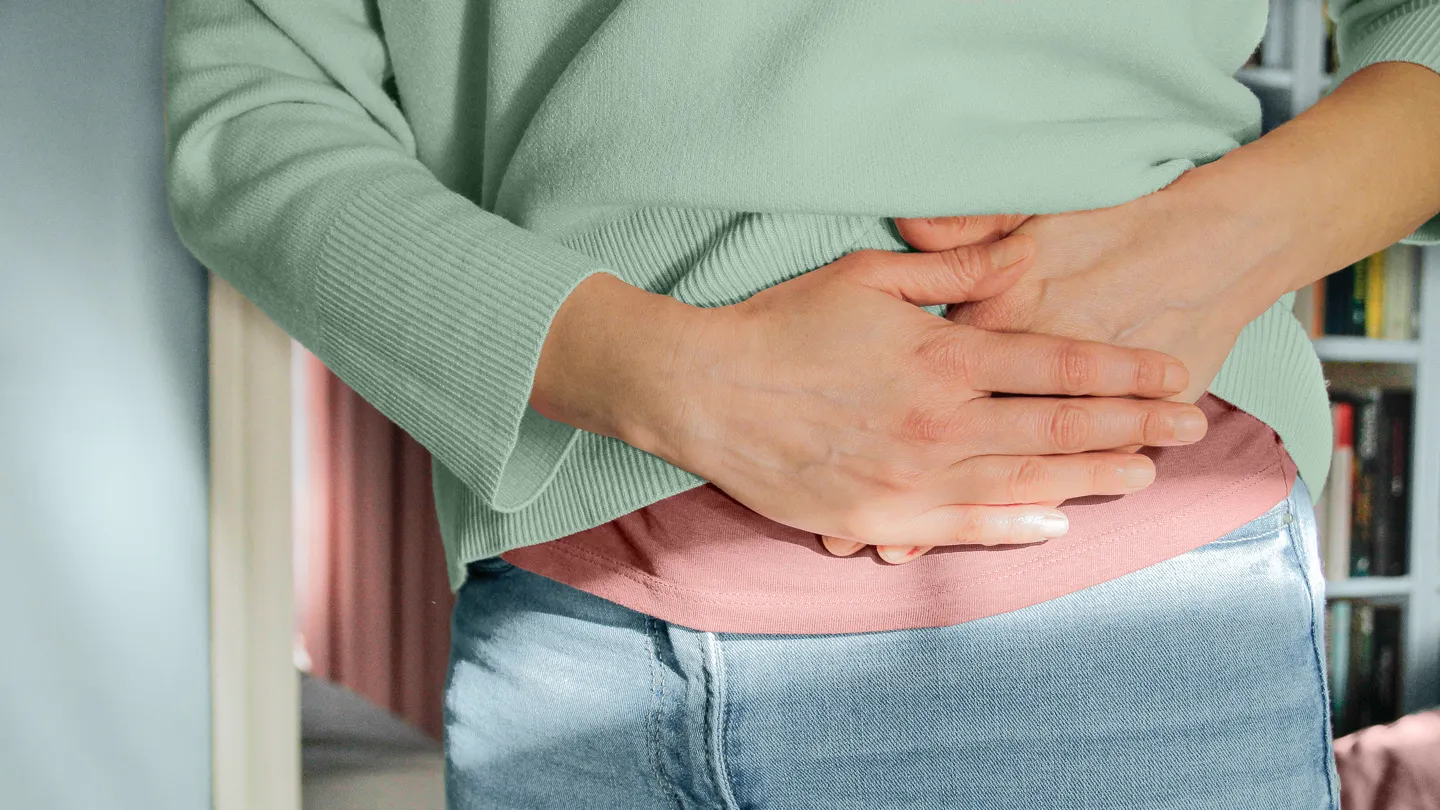
5. Chronic Pelvic Pain
Constant pain in the pelvic region, even outside of periods.
6. Digestive Problems
Bloating, constipation, diarrhea, or nausea, especially during periods.
How Endometriosis Affects Daily Life
Living with endometriosis can be physically and emotionally challenging. The pain can affect work, school, relationships, and mental health. Many people feel tired, stressed, or frustrated because the condition is often misunderstood or misdiagnosed.
Some people may take years before they receive the correct diagnosis. This delay can make symptoms worse and affect quality of life.
Diagnosis of Endometriosis
Doctors use several methods to diagnose endometriosis:
1. Medical History
The doctor will ask about symptoms, menstrual cycle, and pain patterns.
2. Pelvic Exam
A physical examination to check for cysts or unusual growths.
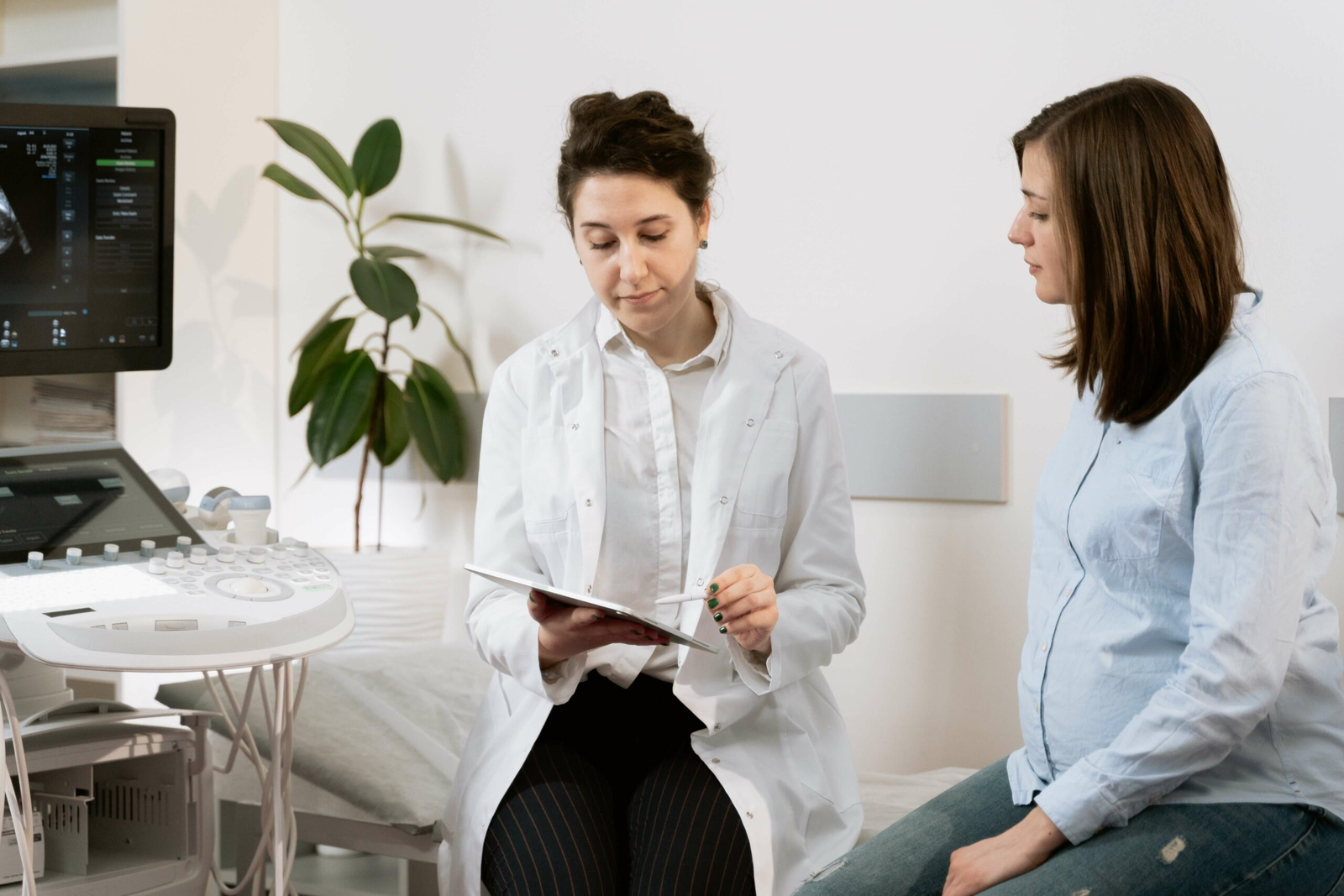
3. Ultrasound
An imaging test that can help detect cysts related to endometriosis.
4. MRI Scan
This provides detailed images of internal organs.
5. Laparoscopy
This is the most accurate method. A small camera is inserted into the abdomen to directly look for endometrial tissue.
Treatment Options
There is no permanent cure for endometriosis, but treatments can help manage symptoms and improve quality of life.
1. Pain Relief Medicines
Over-the-counter painkillers like ibuprofen can reduce pain and inflammation.
2. Hormonal Therapy
Hormone treatments help reduce or stop menstruation, slowing the growth of endometrial tissue.
3. Surgery
In severe cases, doctors may remove endometrial tissue through surgery.
4. Lifestyle Changes
Healthy diet, regular exercise, stress management, and heat therapy can help reduce symptoms.
5. Fertility Treatment
For those facing infertility, treatments like IVF (in vitro fertilization) may help.
Living with Endometriosis
Living with endometriosis requires patience and self-care. While the condition can be painful, many people manage it successfully with proper treatment and lifestyle adjustments.
Here are some helpful tips:
- Use a heating pad for pain relief
- Eat anti-inflammatory foods like fruits, vegetables, and omega-3 rich foods
- Exercise regularly but gently
- Get enough rest
- Track your menstrual cycle and symptoms
- Seek emotional support from friends, family, or support groups
Mental health is also very important. Chronic pain can lead to anxiety or depression, so talking to a counselor or therapist can be very helpful.
Complications of Endometriosis
If not treated, endometriosis can sometimes lead to:
- Severe chronic pain
- Fertility issues
- Ovarian cysts (endometriomas)
- Scar tissue formation
- Emotional stress and depression
Early diagnosis and treatment can help reduce these risks.
Conclusion
Endometriosis is a complex but manageable condition. Even though it can cause significant pain and affect daily life, many treatment options are available today. Understanding the symptoms early and seeking medical advice can make a big difference.
If you or someone you know is experiencing painful periods or unexplained pelvic pain, it is important not to ignore it. With the right care, support, and treatment, people with endometriosis can still live healthy and fulfilling lives.
FAQs about Endometriosis
1. Is endometriosis a serious disease?
Yes, it is a chronic condition that can cause significant pain and fertility issues, but it is manageable with treatment.
2. Can endometriosis be cured permanently?
There is currently no permanent cure, but symptoms can be controlled through medication, surgery, and lifestyle changes.
3. Who is at risk of endometriosis?
It mostly affects women of reproductive age, especially those with a family history of the condition.
4. Can endometriosis affect pregnancy?
Yes, it can make it more difficult to get pregnant, but many women with endometriosis still conceive naturally or with treatment.
5. What foods help reduce endometriosis pain?
Anti-inflammatory foods like leafy greens, berries, nuts, fish, and whole grains may help reduce symptoms.