Muscle strains and sprains are some of the most common injuries that people experience in daily life. They can happen during sports, exercise, heavy lifting, or even simple movements like slipping or twisting the wrong way. Although these injuries are usually not life-threatening, they can be painful and may limit your ability to move or work normally.
In this article, we will understand what muscle strains and sprains are, how they happen, their symptoms, treatment options, and how you can prevent them in a simple and easy way.
What Are Muscle Strains?
A muscle strain happens when a muscle or its tendon is stretched too far or torn. Tendons are the strong tissues that connect muscles to bones. When you overuse a muscle or suddenly put too much pressure on it, small or large tears can occur.
Muscle strains are often called “pulled muscles.” They commonly affect areas like:
- Back
- Neck
- Hamstrings (back of the thigh)
- Shoulders
Common causes of muscle strains:
- Lifting heavy objects incorrectly
- Sudden movement or jerking action
- Overstretching during exercise
- Poor physical conditioning
- Not warming up before activity
What Are Sprains?
A sprain is an injury to the ligaments. Ligaments are tough, flexible tissues that connect bones to each other and help stabilize joints. When a joint is twisted or forced beyond its normal range, ligaments can stretch or tear.
Sprains usually affect:
- Ankles
- Wrists
- Knees
Common causes of sprains:
- Falling and landing awkwardly
- Twisting a joint suddenly
- Sports injuries
- Walking or running on uneven surfaces
Difference Between Strains and Sprains
Although they sound similar, strains and sprains affect different parts of the body:
- Strain: Injury to muscle or tendon
- Sprain: Injury to ligament
In simple words, strains affect muscles, while sprains affect joints.
Symptoms of Muscle Strains and Sprains
The symptoms may vary depending on how severe the injury is, but common signs include:
Mild symptoms:
- Pain in the affected area
- Swelling
- Mild stiffness
- Difficulty moving the area
Moderate symptoms:
- Noticeable swelling and bruising
- Weakness in the muscle or joint
- Increased pain with movement
Severe symptoms:
- Severe pain
- Inability to move the joint or muscle
- Significant swelling and bruising
- Feeling a “pop” at the time of injury
If symptoms are severe or do not improve, medical attention is needed.
Grades of Muscle Strains and Sprains
Doctors usually classify these injuries into three grades:
Grade 1 (Mild)
- Small stretching or tiny tears
- Mild pain and stiffness
- Quick recovery with rest
Grade 2 (Moderate)
- Partial tearing of muscle or ligament
- More pain and swelling
- Limited movement
Grade 3 (Severe)
- Complete tear of muscle or ligament
- Severe pain at first (may later feel numb)
- Requires medical treatment and sometimes surgery
First Aid Treatment (R.I.C.E Method)
One of the most common ways to treat strains and sprains at home is the R.I.C.E method:
R – Rest
Stop using the injured area immediately. Avoid activities that cause pain.
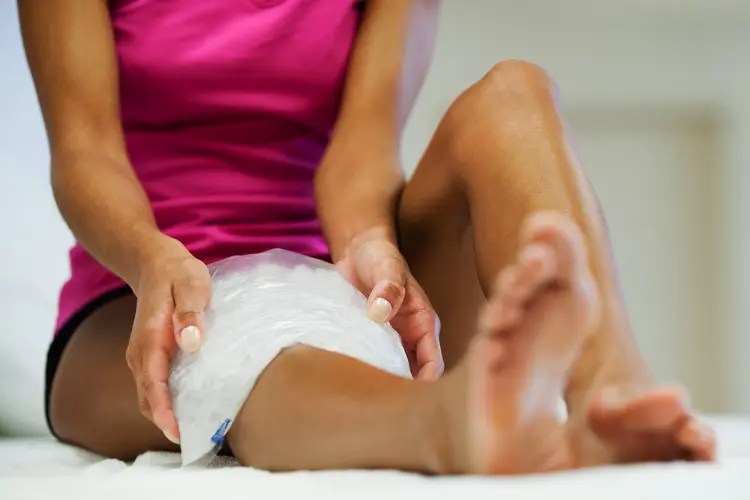
I – Ice
Apply an ice pack for 15–20 minutes every few hours. This reduces swelling and pain.
C – Compression
Wrap the area with an elastic bandage to control swelling. Do not wrap too tightly.
E – Elevation
Raise the injured area above heart level to reduce swelling.
This method is very effective in the first 24–72 hours after injury.
Medical Treatment Options
If the injury is more serious, a doctor may recommend:
- Pain relief medications
- Anti-inflammatory drugs
- Muscle relaxants
- Physical therapy
- Support braces or splints
- Surgery (only in severe cases)
Physical therapy is especially important for restoring strength and flexibility.
Recovery Time
Recovery depends on how severe the injury is:
- Mild strains/sprains: a few days to 2 weeks
- Moderate injuries: 3 to 6 weeks
- Severe injuries: several months
Following proper care can speed up healing.
How to Prevent Muscle Strains and Sprains
Prevention is always better than treatment. Here are some simple ways to avoid these injuries:
1. Warm up before exercise
Always stretch and warm up your body before physical activity.
2. Use proper technique
Whether lifting weights or playing sports, correct posture is very important.
3. Strengthen muscles
Regular exercise makes muscles and joints stronger and more resistant to injury.
4. Wear proper footwear
Good shoes help support your ankles and reduce the risk of sprains.
5. Avoid overexertion
Do not push your body beyond its limit, especially if you are tired.
When to See a Doctor
You should consult a doctor if:
- Pain is severe or does not improve
- You cannot move the injured area
- There is major swelling or bruising
- You hear a popping sound during injury
- The injury affects walking or daily activities
Early treatment can prevent long-term complications.
Final Thoughts
Muscle strains and sprains are common but manageable injuries. They usually happen due to sudden movements, overuse, or lack of proper care during physical activity. While mild cases can heal at home with rest and care, more serious injuries may need medical attention.
Understanding your body, warming up properly, and avoiding unnecessary strain can go a long way in preventing these injuries. With proper care and patience, most people recover fully and return to normal activities without long-term problems.
FAQs
1. What is the fastest way to heal a muscle strain or sprain?
Rest, ice, compression, and elevation (R.I.C.E method) are the fastest and most effective first aid steps.
2. Can I walk with a sprained ankle?
It depends on the severity. Mild sprains may allow walking with discomfort, but severe sprains should be rested completely.
3. How do I know if my injury is a strain or sprain?
If pain is in a muscle, it is likely a strain. If it is in a joint, it is likely a sprain.
4. Should I use heat or ice for these injuries?
Ice is best in the first 48–72 hours. Heat can be used later to relax muscles after swelling reduces.
5. Can muscle strains and sprains heal on their own?
Yes, mild to moderate cases often heal on their own with proper rest and care, but severe injuries need medical treatment.