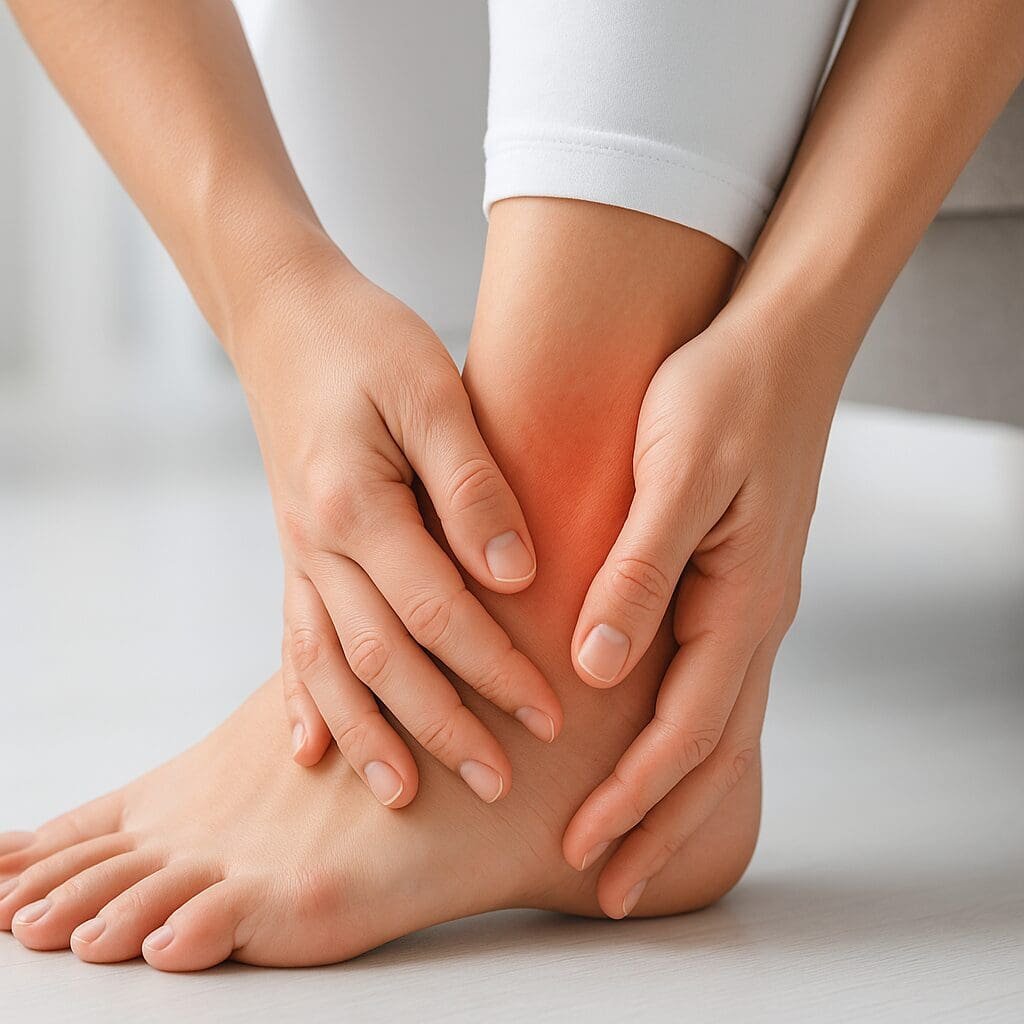
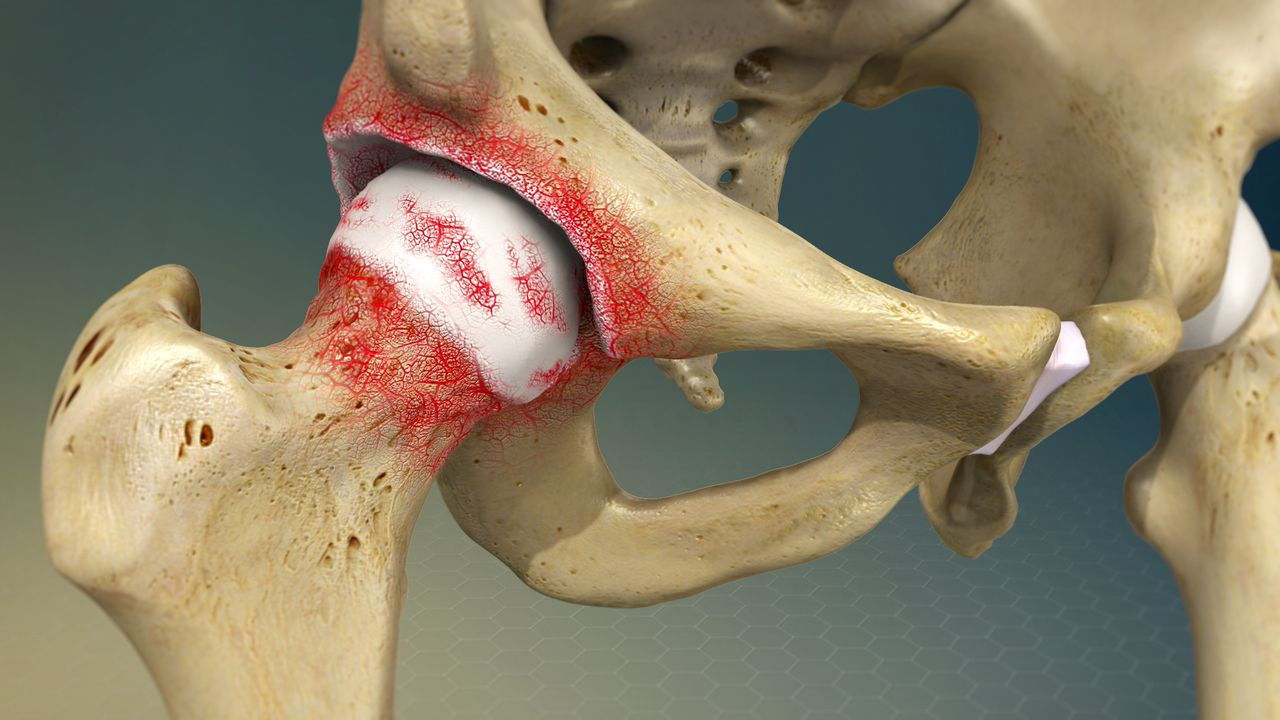
Hip and knee joint degeneration is a common health condition that affects millions of people around the world, especially older adults. These two joints carry most of the body’s weight and are used in almost every movement we make—walking, sitting, standing, climbing stairs, and even sleeping comfortably. When these joints start to wear down over time, it can lead to pain, stiffness, and difficulty in movement.
In simple terms, joint degeneration means the gradual breakdown of cartilage—the smooth, protective tissue that covers the ends of bones. When cartilage becomes thin or damaged, bones begin to rub against each other, causing discomfort and inflammation. This condition often develops slowly, but over time it can significantly affect daily life.
This article explains hip and knee joint degeneration in an easy, human-like way, including its causes, symptoms, diagnosis, treatment options, and prevention tips.
What is Hip and Knee Joint Degeneration?
The hip and knee joints are called “weight-bearing joints” because they support your body weight whenever you move. Inside these joints, cartilage works like a cushion, allowing smooth movement without friction.
When degeneration happens, this cartilage slowly wears away. As a result:
- Bones start rubbing together
- Inflammation develops in the joint
- Pain and stiffness increase
- Movement becomes difficult
This condition is often related to osteoarthritis, which is the most common form of arthritis.
Causes of Hip and Knee Joint Degeneration
There is no single cause. Instead, several factors can contribute to joint wear and tear over time.
1. Aging
Aging is the most common cause. As we grow older, cartilage naturally becomes thinner and weaker.
2. Overuse of Joints
People who perform repetitive physical activities such as heavy lifting, running, or standing for long hours may experience faster joint wear.
3. Obesity
Excess body weight puts extra pressure on the hip and knee joints. This increases the speed of cartilage breakdown.
4. Previous Injuries
Old injuries like fractures, ligament tears, or sports injuries can damage joint structure and lead to early degeneration.
5. Genetics
Some people inherit a higher risk of joint problems from their family history.
6. Poor Posture or Alignment
Improper walking patterns or misaligned joints can cause uneven pressure and wear.
Symptoms of Joint Degeneration
Symptoms usually develop slowly and become worse over time. Common signs include:
1. Joint Pain
Pain is often the first symptom. It may start mild but gradually become more noticeable during movement.
2. Stiffness
People often feel stiffness, especially in the morning or after sitting for long periods.
3. Swelling
Inflammation can cause swelling around the affected joint.
4. Reduced Movement
It may become difficult to bend the knee, climb stairs, or rotate the hip.
5. Grinding Sensation
Some people feel or hear a “crackling” or “grinding” sound when moving the joint.
6. Weakness
Muscles around the joint may weaken over time due to less movement.
How is It Diagnosed?
Doctors use several methods to diagnose hip and knee joint degeneration:
- Physical examination of pain and movement
- Medical history review
- X-rays to check bone changes
- MRI scans for detailed joint images
- Blood tests to rule out other conditions
Early diagnosis is important because it helps slow down the progression of the disease.
Treatment Options for Joint Degeneration
There is no complete cure for joint degeneration, but many treatments can help manage pain and improve movement.
1. Lifestyle Changes
Simple lifestyle adjustments can make a big difference:
- Maintain a healthy weight
- Avoid overloading joints
- Stay physically active with low-impact exercises
2. Exercise and Physical Therapy
Exercise strengthens muscles around the joint, reducing pressure on bones.
Helpful activities include:
- Walking
- Swimming
- Cycling
- Stretching exercises
3. Medications
Doctors may recommend:
- Pain relievers
- Anti-inflammatory medicines
- Joint injections in severe cases
4. Physical Therapy
A physiotherapist can guide specific exercises to improve flexibility and strength.
5. Assistive Devices
Tools like knee braces, walking sticks, or shoe inserts can reduce joint stress.
6. Surgery (Severe Cases)
If the condition becomes very severe, surgical options may include:
- Joint replacement surgery (hip or knee replacement)
- Arthroscopy (cleaning damaged joint tissue)
Prevention of Joint Degeneration
Although aging cannot be stopped, joint degeneration can be slowed down or prevented to some extent.
1. Stay Active
Regular movement keeps joints flexible and strong.
2. Maintain Healthy Weight
Less body weight means less pressure on joints.
3. Eat a Balanced Diet
Foods rich in calcium, vitamin D, and omega-3 fatty acids help support joint health.
4. Avoid Injury
Be careful during sports or physical activities to prevent joint damage.
5. Good Posture
Proper posture while walking, sitting, and lifting reduces unnecessary stress on joints.
Living with Hip and Knee Joint Degeneration
Many people live active lives even after being diagnosed with joint degeneration. The key is managing the condition properly.
Simple daily habits like stretching, light exercise, and avoiding strain can help maintain independence and reduce pain. Emotional support and a positive mindset also play an important role in coping with chronic joint issues.
Conclusion
Hip and knee joint degeneration is a long-term condition that affects mobility and quality of life. It develops slowly due to aging, injury, or lifestyle factors. Although it cannot be fully reversed, early diagnosis and proper care can significantly reduce symptoms and improve daily living.
By staying active, maintaining a healthy weight, and following medical advice, people can protect their joints and continue to lead a comfortable and independent life.
Frequently Asked Questions (FAQs)
1. What is the main cause of hip and knee joint degeneration?
The main cause is aging, but obesity, injuries, and overuse of joints can also contribute significantly.
2. Can joint degeneration be cured completely?
No, it cannot be fully cured, but symptoms can be managed with treatment, exercise, and lifestyle changes.
3. What are the early signs of joint degeneration?
Early signs include mild joint pain, stiffness, and discomfort during movement or after rest.
4. Is walking good for knee and hip joint degeneration?
Yes, walking is one of the best low-impact exercises that helps keep joints flexible and strong.
5. When is surgery needed for joint degeneration?
Surgery is considered when pain becomes severe, movement is very limited, and other treatments no longer work.