
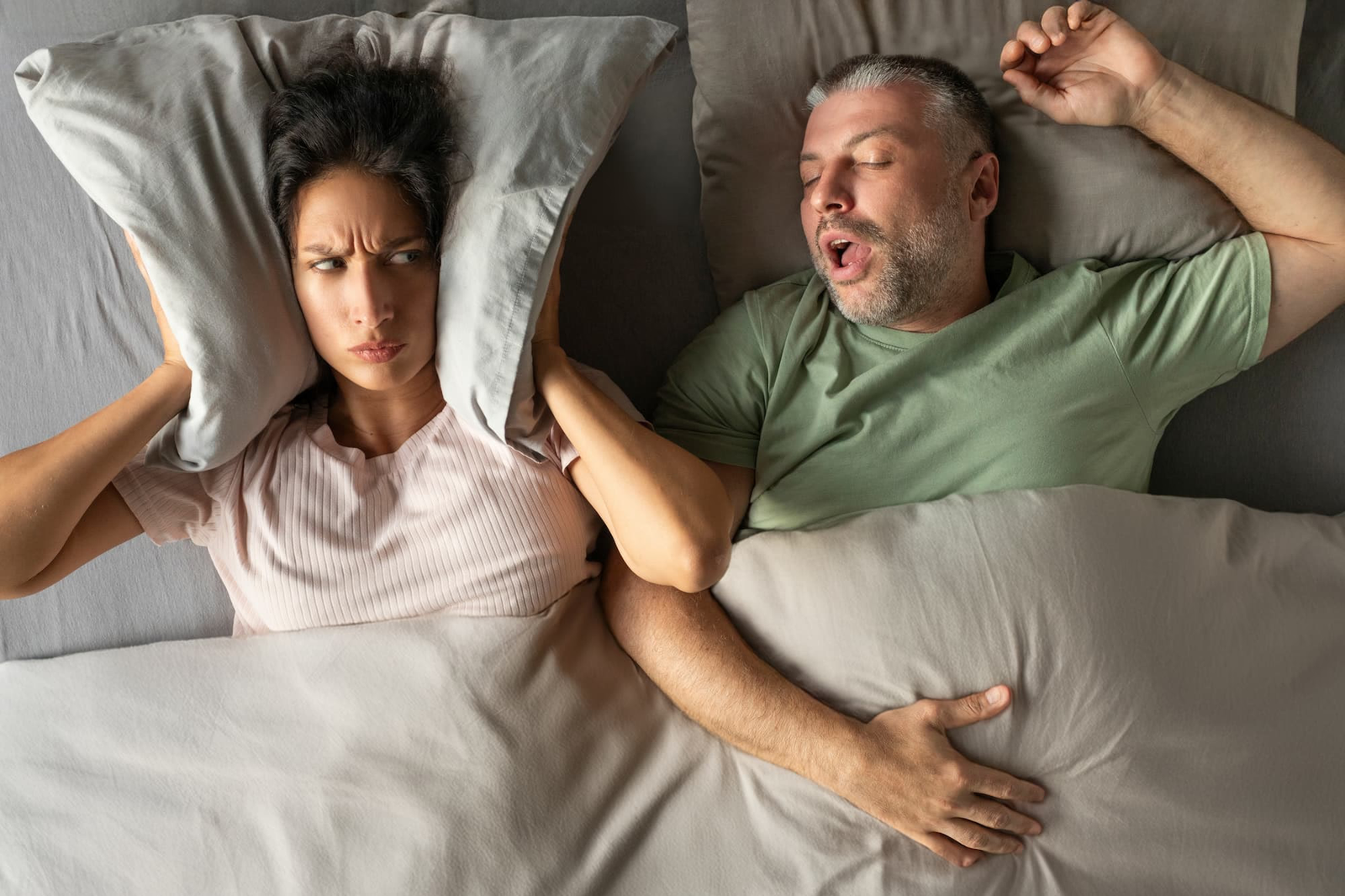
Snoring and noisy breathing are very common problems that many people experience at some point in their lives. Some people snore only when they are tired, while others snore every night without even knowing it. Although it may seem like a normal sleeping habit, snoring and loud breathing during sleep can sometimes be a sign that something in the body is not working smoothly.
In this article, we will explore what snoring and noisy breathing really mean, why they happen, what problems they can cause, and how they can be improved in simple and natural ways.
What is Snoring and Noisy Breathing?
Snoring is the sound produced when air cannot move freely through the nose and throat during sleep. As the air tries to pass through a narrowed airway, the surrounding tissues vibrate. This vibration creates the familiar “snoring sound.”
Noisy breathing is a broader term. It includes snoring but also covers other sounds like wheezing, gasping, or heavy breathing during sleep or even while awake.
Both conditions usually happen when the airway becomes partially blocked.
Why Does Snoring Happen?
There are many reasons why a person may snore. Some are simple lifestyle habits, while others may be related to health conditions.
1. Blocked Nose
If your nose is blocked due to cold, allergies, or sinus issues, you may breathe through your mouth while sleeping. This increases the chance of snoring.
2. Sleeping Position
Sleeping on your back can cause the tongue and soft tissues to fall backward, blocking the airway.
3. Excess Body Weight
Extra fat around the neck area can narrow the airway, making breathing harder during sleep.
4. Alcohol or Sedatives
Alcohol and certain medicines relax the throat muscles too much, causing airway blockage.
5. Age Factor
As people get older, throat muscles become weaker and more relaxed, increasing snoring chances.
6. Structural Issues
Some people have naturally narrow airways, large tonsils, or a deviated nasal septum, which can also cause snoring.
What Causes Noisy Breathing?
Noisy breathing is not always the same as snoring. It can also happen due to:
- Asthma or breathing disorders
- Allergies or nasal inflammation
- Infections like bronchitis
- Sleep apnea (a condition where breathing stops briefly during sleep)
- Anxiety or stress-related breathing changes
If noisy breathing happens often, especially during sleep, it should not be ignored.
Is Snoring Harmful?
Occasional snoring is usually harmless. However, loud and frequent snoring may lead to:
- Poor sleep quality
- Daytime tiredness
- Headaches in the morning
- Irritability and mood changes
- Difficulty concentrating
In some cases, snoring is linked to a serious condition called sleep apnea, where breathing repeatedly stops and starts during sleep. This condition needs medical attention.
What is Sleep Apnea?
Sleep apnea is a sleep disorder where breathing pauses for a few seconds or even longer during sleep. A person may wake up briefly without realizing it and start breathing again.
Common signs include:
- Loud snoring
- Gasping or choking during sleep
- Feeling very tired during the day
- Dry mouth in the morning
- Poor concentration
If left untreated, sleep apnea can increase the risk of high blood pressure, heart problems, and diabetes.
Simple Ways to Reduce Snoring and Noisy Breathing
The good news is that in many cases, snoring can be improved with simple lifestyle changes.
1. Change Sleeping Position
Sleeping on your side instead of your back can help keep the airway open.
2. Maintain a Healthy Weight
Even small weight loss can reduce pressure on the airway and improve breathing.
3. Avoid Alcohol Before Sleep
Try not to drink alcohol at least 3–4 hours before sleeping.
4. Treat Nasal Congestion
Using steam, saline sprays, or allergy treatments can help clear blocked nasal passages.
5. Keep a Regular Sleep Schedule
Sleeping and waking up at the same time daily helps improve overall sleep quality.
6. Elevate Your Head
Using a slightly raised pillow can help keep airways open.
7. Stay Hydrated
Dry throat tissues can worsen snoring, so drinking enough water is important.
Medical Treatments for Severe Cases
If lifestyle changes do not help, medical treatment may be needed. Doctors may recommend:
- Nasal sprays or allergy medications
- Mouth devices that keep the airway open
- Continuous Positive Airway Pressure (CPAP) machine for sleep apnea
- Surgery in rare cases to correct structural problems
A proper diagnosis is important before starting any treatment.
Impact on Daily Life
Snoring and noisy breathing not only affect the person who has them but also their partner or family members. Disturbed sleep can lead to:
- Relationship stress due to disturbed sleep
- Low energy during the day
- Reduced work or school performance
- Increased risk of accidents due to tiredness
That is why treating the problem is important for both health and quality of life.
When Should You See a Doctor?
You should consider seeing a doctor if:
- Snoring is very loud and happens every night
- You feel tired even after a full night’s sleep
- Someone notices you stop breathing during sleep
- You often wake up gasping or choking
- You have high blood pressure or heart issues
Early diagnosis can prevent serious complications.
Final Thoughts
Snoring and noisy breathing are common but should not always be ignored. While occasional snoring is normal, frequent and loud snoring may be a sign of deeper health issues. The good news is that many cases can be improved with simple lifestyle changes like better sleep habits, weight control, and nasal care.
If symptoms continue, medical advice is important. Good sleep is essential for a healthy body and mind, and treating snoring can greatly improve your quality of life.
FAQs
1. Is snoring always a sign of a health problem?
No, not always. Occasional snoring due to tiredness or sleeping position is normal. However, frequent snoring may indicate a health issue.
2. Can children also snore?
Yes, children can snore due to enlarged tonsils, allergies, or colds. If it happens often, a doctor should check it.
3. Does sleeping position really affect snoring?
Yes, sleeping on your back often worsens snoring because it blocks the airway. Side sleeping usually helps reduce it.
4. Can weight loss stop snoring?
In many cases, yes. Losing extra weight can reduce pressure on the throat and improve breathing during sleep.
5. When is snoring dangerous?
Snoring becomes dangerous when it is linked with sleep apnea, where breathing stops during sleep. This needs medical attention.