Sleep is supposed to be a peaceful and restful process, but for some people, it can become confusing and even unusual. One of the most interesting sleep problems is sleepwalking, which is part of a bigger group of sleep disorders called parasomnias.
In this article, we will explain what sleepwalking and parasomnias are, why they happen, their symptoms, causes, risks, and how they can be managed. Everything is written in a simple and human-friendly way so anyone can understand.
What Are Parasomnias?
Parasomnias are a group of sleep disorders that involve unusual behaviors, movements, emotions, or experiences during sleep or while waking up.
In simple words, parasomnias are things that happen while your brain is partly asleep and partly awake.
These can include:
- Walking while sleeping (sleepwalking)
- Talking during sleep (sleep talking)
- Night terrors (sudden fear during sleep)
- Sleep-related eating
- Acting out dreams
Parasomnias can happen in children and adults, but they are more common in children.
What Is Sleepwalking?
Sleepwalking (also called somnambulism) is a condition where a person gets out of bed and walks or performs activities while still asleep.
The person is not fully awake and usually does not remember the event later.
Sleepwalking can include:
- Sitting up in bed
- Walking around the house
- Opening doors or windows
- Doing simple tasks like dressing
- Sometimes speaking unclear words
Even though the eyes may be open, the person is still in a deep sleep state.
When Does Sleepwalking Happen?
Sleepwalking usually happens during deep sleep, also called slow-wave sleep. This stage happens in the first half of the night.
It is more common in:
- Children aged 4–12 years
- People who are very tired or stressed
- Individuals with irregular sleep schedules
Most children outgrow sleepwalking as they get older.
Symptoms of Sleepwalking and Parasomnias
The symptoms depend on the type of parasomnia, but common signs include:
Sleepwalking symptoms:
- Getting out of bed while asleep
- Blank or glassy eyes
- Slow or clumsy movements
- Not responding properly when spoken to
- Confusion when awakened
- No memory of the event
Other parasomnia symptoms:
- Talking or shouting in sleep
- Sudden fear or screaming at night
- Acting out dreams physically
- Bedwetting in older children or adults
- Eating during sleep without awareness
Causes of Sleepwalking and Parasomnias
There is no single cause, but several factors can increase the risk.
1. Lack of Sleep
Not getting enough sleep is one of the biggest triggers. When the brain is overly tired, sleep becomes unstable.
2. Stress and Anxiety
Emotional stress can disturb normal sleep patterns and increase parasomnias.
3. Genetics
Sleepwalking often runs in families. If parents had it, children are more likely to experience it.
4. Fever or Illness
High fever, especially in children, can trigger sleepwalking episodes.
5. Sleep Disorders
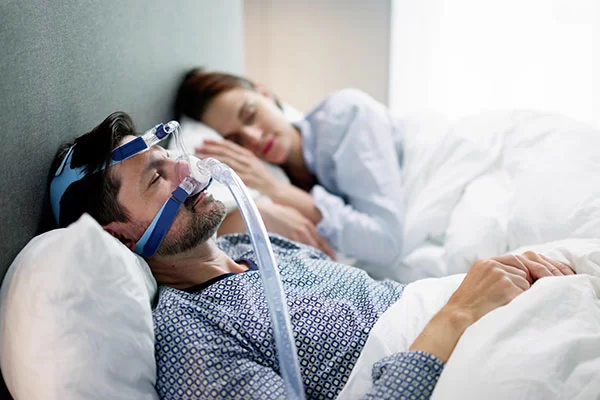
Conditions like sleep apnea can increase the risk of parasomnias.
6. Certain Medicines
Some medications that affect the brain can disturb sleep behavior.
7. Alcohol or Substances
In adults, alcohol and drugs can increase the chance of sleepwalking or other parasomnias.
Is Sleepwalking Dangerous?
Sleepwalking is usually not harmful by itself, but it can become risky depending on the situation.
Possible dangers include:
- Falling down stairs
- Leaving the house
- Bumping into objects
- Driving or cooking while asleep (rare but serious)
That is why safety is very important for people who sleepwalk.
How to Manage Sleepwalking and Parasomnias
There is no single cure, but many ways to manage and reduce episodes.
1. Improve Sleep Routine
Go to bed and wake up at the same time every day. A stable routine helps the brain sleep properly.
2. Reduce Stress
Relaxation techniques like deep breathing, meditation, or calm music before bed can help.
3. Get Enough Sleep
Avoid sleep deprivation. Adults need 7–9 hours of sleep, and children need even more.
4. Make the Environment Safe
- Lock doors and windows
- Remove sharp objects
- Keep floors clear
- Use gates near stairs
5. Avoid Triggers
Limit caffeine, alcohol, and screen time before bed.
6. Medical Help
If sleepwalking is frequent or dangerous, a doctor may recommend therapy or medication.
How to Wake a Sleepwalker?
It is usually safe to gently guide the person back to bed. However:
- Do not shout or shake them
- Speak softly
- Guide them calmly
Waking a sleepwalker suddenly may cause confusion or fear.
Sleepwalking in Children vs Adults
Children:
- Very common
- Usually harmless
- Often disappears with age
Adults:
- Less common
- May be linked to stress, illness, or medication
- Needs more attention if frequent
Living with Parasomnias
Living with parasomnias can be stressful, but many people manage it successfully.
The key is:
- Understanding the condition
- Reducing triggers
- Keeping a safe environment
- Getting medical advice when needed
Family support also plays a very important role, especially for children.
Conclusion
Sleepwalking and parasomnias are unusual sleep behaviors that happen when the brain is partly asleep and partly awake. Although they may look strange or even scary, most cases are harmless and can be managed with proper care.
Good sleep habits, stress control, and a safe environment can greatly reduce these episodes. If the condition becomes frequent or dangerous, medical advice should always be taken.
Sleep is important for health, and understanding these disorders helps people sleep more peacefully and safely.
Frequently Asked Questions (FAQs)
1. Is sleepwalking a mental illness?
No, sleepwalking is not a mental illness. It is a sleep disorder that happens during deep sleep.
2. Can adults stop sleepwalking completely?
Yes, in many cases adults can reduce or stop sleepwalking by improving sleep habits and treating underlying causes.
3. Should I wake a sleepwalker?
It is better not to wake them suddenly. Instead, gently guide them back to bed.
4. Is sleepwalking dangerous?
It can be risky if the person gets injured or leaves the house, but most cases are not dangerous when safety steps are taken.
5. Can stress cause parasomnias?
Yes, stress and anxiety are common triggers for sleepwalking and other parasomnias.