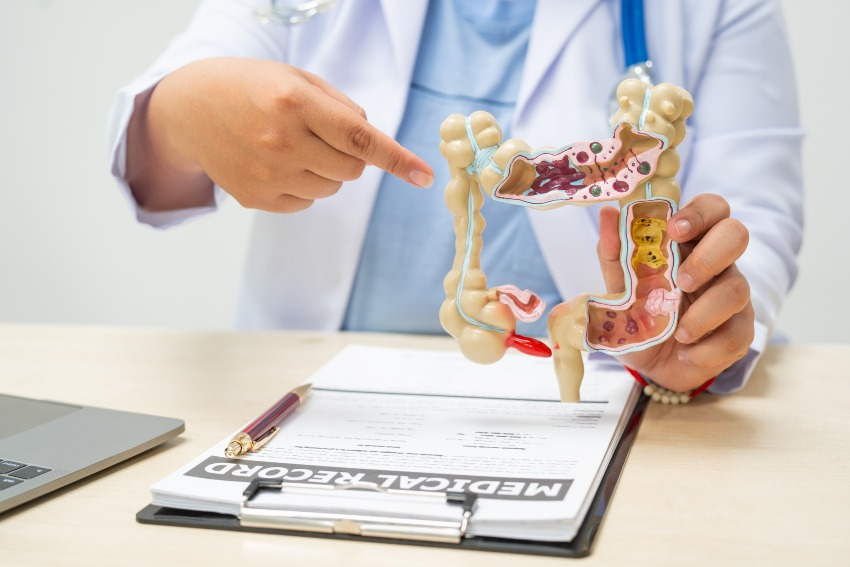
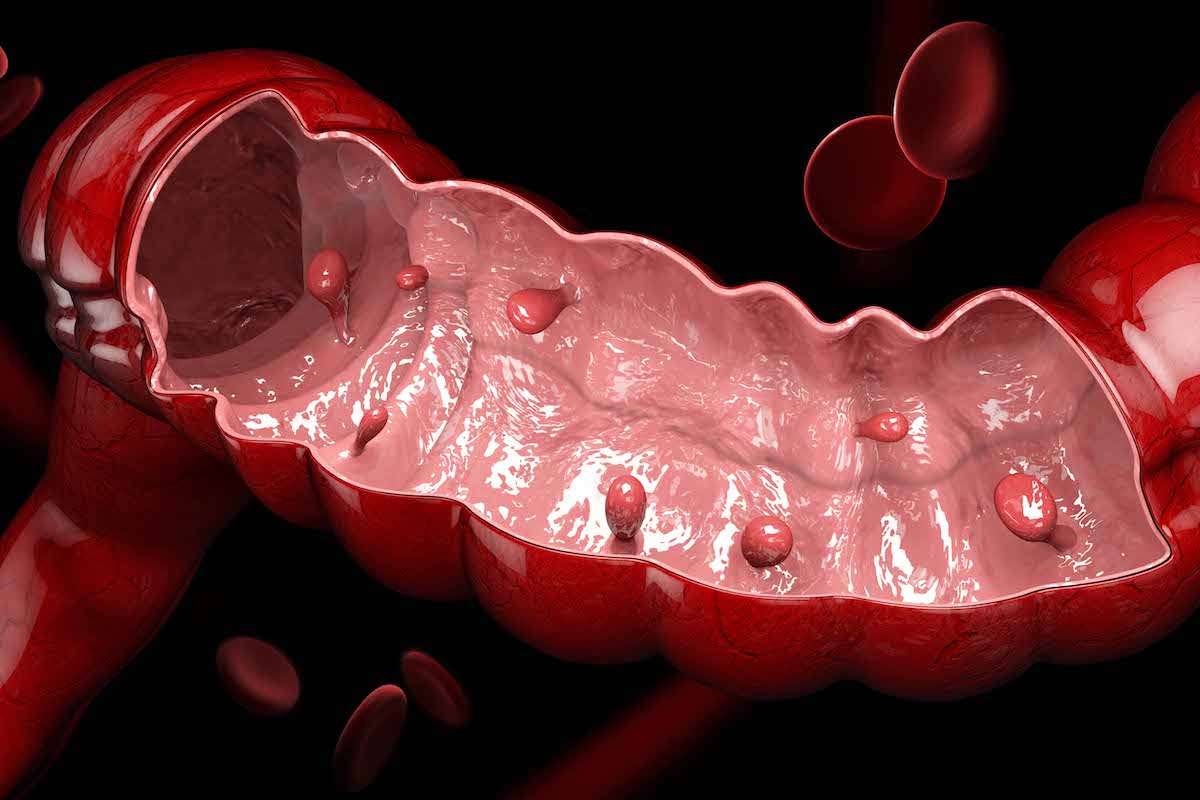
Colon health is something many people ignore until a problem appears. Two important conditions related to the colon (large intestine) are colon polyps and colorectal cancer. These two are closely linked, and understanding them can actually save lives. In this article, we will explain what they are, how they are connected, their causes, symptoms, prevention, and treatment in a simple and human way.
What Are Colon Polyps?
Colon polyps are small growths that form on the inner lining of the colon or rectum. Think of them like tiny bumps or extra tissue that grows where it should not.
Most colon polyps are non-cancerous (benign), which means they are not harmful at first. However, some types of polyps can slowly turn into cancer over time if they are not removed.
There are different types of colon polyps:
- Adenomatous polyps (adenomas): These are the most important because they can become cancerous.
- Hyperplastic polyps: Usually harmless and rarely turn into cancer.
- Inflammatory polyps: Often appear after long-term inflammation in the colon.
- Sessile serrated polyps: These can also increase cancer risk.
Many people have polyps without even knowing it because they usually do not cause symptoms in early stages.
What Is Colorectal Cancer?
Colorectal cancer is a type of cancer that starts in the colon or rectum. It often begins as a small polyp and slowly develops into cancer over several years.
This is why doctors always say:
“Most colorectal cancers begin as polyps.”
If detected early, colorectal cancer is highly treatable. But if ignored, it can spread to other parts of the body and become dangerous.
How Are Colon Polyps and Colorectal Cancer Connected?
The connection between polyps and cancer is very important.
Not all polyps turn into cancer, but some do over time. The process usually looks like this:
- A small polyp forms in the colon.
- The polyp grows slowly over years.
- Genetic changes may occur in the cells.
- The polyp becomes cancerous.
This transformation can take 5 to 15 years, which is why regular screening is so important. If polyps are removed early, cancer can often be completely prevented.
Causes and Risk Factors
There is no single cause of colon polyps or colorectal cancer, but several risk factors increase the chances:
1. Age
People over 45 or 50 are at higher risk.
2. Family History
If someone in your family had colon cancer or polyps, your risk is higher.
3. Diet
A diet high in red meat, processed food, and low fiber increases risk.
4. Lifestyle
- Lack of exercise
- Smoking
- Heavy alcohol use
5. Medical Conditions
- Inflammatory bowel disease (IBD)
- Diabetes
- Obesity
6. Genetic Factors
Some people inherit genes that make them more likely to develop colon cancer.
Symptoms of Colon Polyps
Most polyps do not show symptoms. However, in some cases, you might notice:
- Blood in stool
- Changes in bowel habits (constipation or diarrhea)
- Mucus in stool
- Abdominal pain (rare)
- Iron deficiency anemia
Because symptoms are often absent, screening becomes very important.
Symptoms of Colorectal Cancer
When polyps turn into cancer or when cancer develops, symptoms may include:
- Persistent change in bowel habits
- Rectal bleeding or blood in stool
- Unexplained weight loss
- Fatigue and weakness
- Feeling that the bowel does not empty completely
- Abdominal discomfort or cramps
If any of these symptoms last more than a few weeks, medical advice should be taken immediately.
How Is It Diagnosed?
Doctors use several tests to detect polyps and colorectal cancer:
1. Colonoscopy
This is the most effective test. A flexible tube with a camera is inserted into the colon to look for polyps. If polyps are found, they can often be removed during the same procedure.
2. Stool Tests
These check for hidden blood or abnormal DNA in stool samples.
3. CT Colonography
A special scan that creates images of the colon.
4. Biopsy
If needed, a small tissue sample is taken for testing.
Treatment Options
For Colon Polyps:
- Removal during colonoscopy (polypectomy)
- Regular monitoring if polyps are small or low risk
For Colorectal Cancer:
Treatment depends on the stage:
- Surgery to remove cancerous parts
- Chemotherapy
- Radiation therapy
- Targeted therapy in advanced cases
Early detection often means simpler treatment and better recovery.
Can Colon Polyps and Cancer Be Prevented?
Yes, in many cases they can be prevented or detected early.
Here are simple prevention steps:
1. Healthy Diet
Eat more:
- Fruits
- Vegetables
- Whole grains
- Fiber-rich foods
Reduce:
- Red meat
- Processed meat
- Junk food
2. Exercise Regularly
At least 30 minutes of physical activity most days.
3. Avoid Smoking and Alcohol
These increase cancer risk significantly.
4. Maintain Healthy Weight
Obesity is linked to higher risk.
5. Regular Screening
This is the most important step, especially after age 45.
Why Screening Is So Important
Many people feel fine even when polyps are present. That is dangerous because:
- Polyps grow silently
- Cancer develops slowly
- Symptoms appear late
Screening helps doctors find and remove polyps before they turn into cancer. This is one of the most effective ways to prevent colorectal cancer completely.
Living with Awareness
Colon health is often ignored because it feels uncomfortable to talk about. But awareness can save lives. Small changes in lifestyle and regular checkups make a huge difference.
Remember:
- Polyps are common
- Not all are dangerous
- But some can become cancer
- Early detection is key
Conclusion
Colon polyps and colorectal cancer are closely related conditions. Polyps are small growths that may seem harmless, but some types can slowly turn into cancer over time. The good news is that with regular screening, healthy lifestyle choices, and early treatment, colorectal cancer is often preventable.
Taking care of your colon health is not just about avoiding disease—it is about protecting your future well-being.
FAQs
1. Are all colon polyps cancerous?
No, most colon polyps are harmless. However, some types can turn into cancer over time if not removed.
2. How long does it take for a polyp to become cancer?
It usually takes 5 to 15 years for a polyp to turn into cancer, which is why early detection is important.
3. Who should get screened for colon cancer?
People aged 45 and older, or younger people with family history or risk factors, should get regular screening.
4. Can diet really affect colon cancer risk?
Yes, a diet high in fiber and low in processed meat can reduce the risk significantly.
5. Is colonoscopy painful?
Most people feel little or no pain because sedation is used during the procedure.