
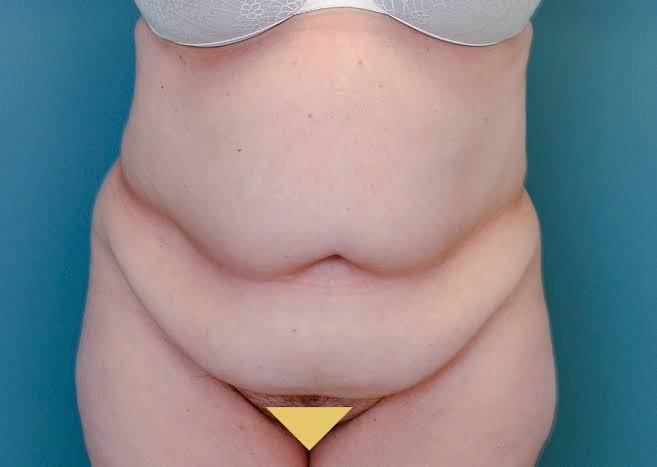
A tummy tuck is a cosmetic surgical procedure that removes excess skin and fat from the abdomen while tightening weakened or separated abdominal muscles. People may decide on this procedure after pregnancy, significant weight loss, or aging leaves loose skin that does not improve with diet and exercise. Here is a closer look at how tummy tuck surgery can transform your contour:
Removing Excess Skin
Excess abdominal skin is a visible sign of stretched tissue and often resists lifestyle changes. During a tummy tuck, or an abdominoplasty, a surgeon removes this loose skin and repositions the remaining tissue to create a flatter surface. The result depends on your anatomy, but the goal remains a smooth and tight abdominal profile. Loose skin also causes practical concerns beyond appearance; skin folds may trap moisture or rub against clothing. A surgeon evaluates the amount of skin present, then plans an incision that keeps scarring as discreet as possible while still achieving the intended contour.
Tightening Weakened Muscles
Weakened or separated abdominal muscles often accompany loose skin, and a tummy tuck addresses this directly. The surgeon repairs the muscle wall to restore support and definition. Here are the key ways this part of the procedure works:
- Repairing muscle separation: Pregnancy and weight changes can pull the abdominal muscles apart, a condition called diastasis recti. The surgeon stitches these muscles back together to rebuild the core wall.
- Restoring core support: Once the muscles are tightened, the abdomen becomes firmer, which may improve posture and midsection stability.
- Creating a flatter profile: Tightened muscles hold the abdomen in place, which helps flatten the midsection.
Muscle repair is a fundamental step that distinguishes the procedure from treatments that address only the skin.
Reshaping Your Midsection
Reshaping the waist involves more than removing skin and repairing muscle. A surgeon examines the balance between your upper and lower abdomen, and the plan often includes contouring the sides to define the waistline. This attention to proportion helps the midsection look more sculpted from multiple angles.
Some procedures pair a tummy tuck with liposuction to refine the surrounding areas. The combination can remove stubborn pockets of fat near the flanks, creating a smooth transition between the waist and hips. Your surgeon will discuss which techniques suit your body, so the reshaping matches your goals and your anatomy.
Maintaining Your Improved Contour
Maintaining your results after a tummy tuck takes consistent effort. Here are helpful ways to preserve your results:
- Keep a stable weight: Significant weight gain can stretch the skin again, so maintaining a steady weight helps your results last longer.
- Stay active: Regular movement supports muscle tone and overall health, which reinforces the firmness gained through surgery.
- Follow post-operative guidance: Your surgeon will provide recovery instructions, and following them closely helps the healing process progress smoothly.
- Plan around future pregnancies: A pregnancy after surgery can affect the repaired muscles, so people often schedule their procedure after having children.
- Attend follow-up visits: Routine check-ins let your surgeon monitor your progress, and they give you a chance to ask questions as you heal.
Schedule Your Tummy Tuck Appointment
An abdominoplasty removes excess skin and repairs weakened muscles. It also reshapes the midsection into a firm and balanced contour. Maintaining long-term results after the procedure requires a combination of healthy habits and attending follow-up visits with your surgeon. Contact a certified surgeon near you to schedule your tummy tuck appointment today.