
Skin is the largest organ of the human body, and it often acts as a mirror of our internal health. One of the most common skin problems people face is skin rashes and allergies. These conditions can affect anyone—children, adults, and the elderly—at any time. While some rashes are mild and go away quickly, others can become serious if not treated properly.
In this article, we will explore skin rashes and allergies in a simple and human way. You will learn what they are, why they happen, how to recognize them, and how to treat and prevent them.
What Are Skin Rashes?
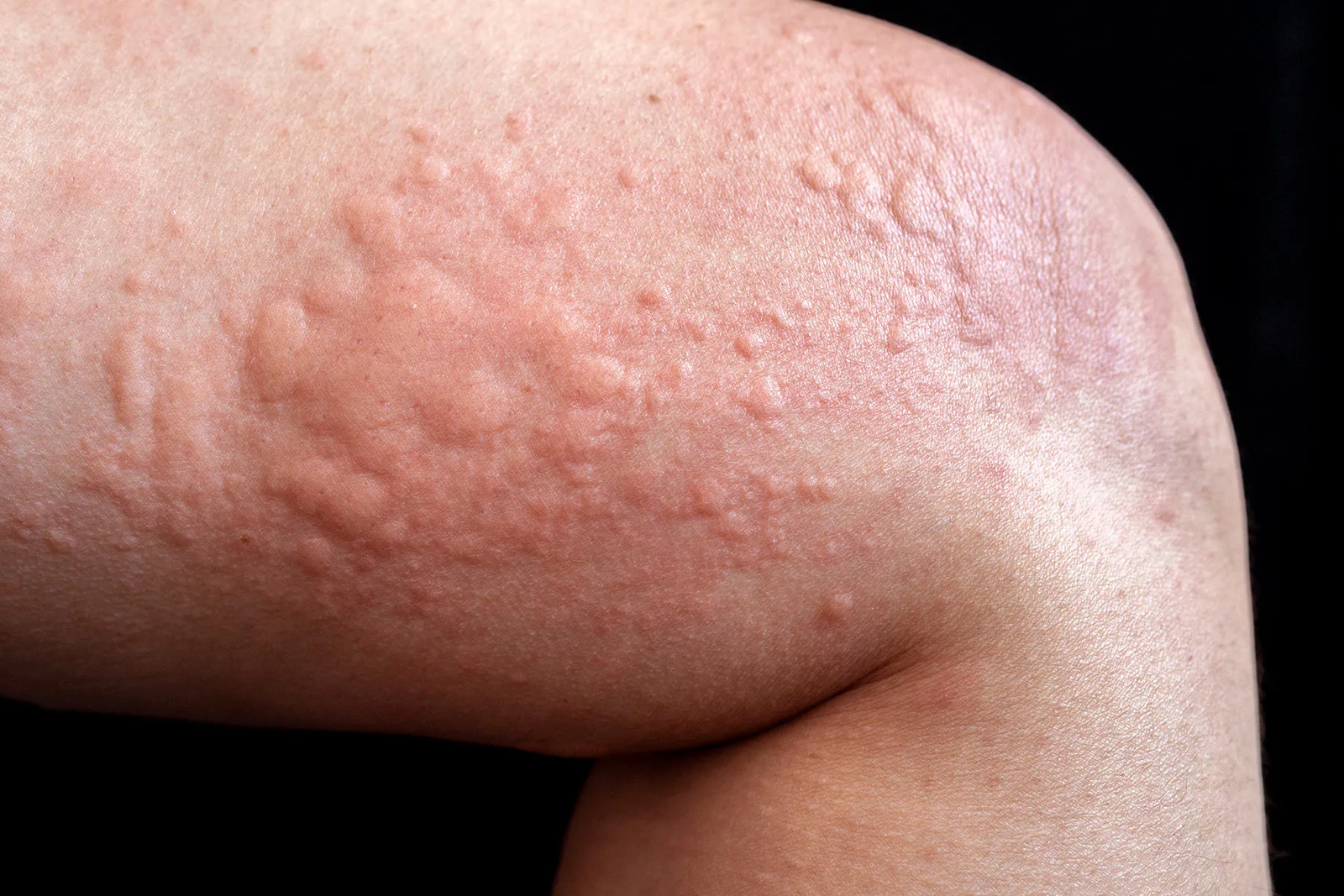
A skin rash is a change in the skin’s appearance or texture. It can make the skin look red, bumpy, itchy, swollen, dry, or irritated. Rashes can appear anywhere on the body such as the face, arms, legs, back, or even the scalp.
Skin rashes are not a disease on their own. Instead, they are a symptom of an underlying problem, such as allergies, infections, or skin conditions.
What Are Skin Allergies?
A skin allergy happens when the immune system reacts strongly to a harmless substance. This substance is called an allergen. For example, pollen, certain foods, medicines, or chemicals can trigger allergic reactions.
When the body thinks these substances are harmful, it releases chemicals like histamine. This leads to symptoms like itching, redness, swelling, and rashes.
Common Causes of Skin Rashes and Allergies
There are many reasons why skin rashes and allergies occur. Some of the most common causes include:
1. Allergic Reactions
- Food allergies (nuts, milk, eggs, seafood)
- Drug allergies (antibiotics, painkillers)
- Pollen, dust, or pet dander
2. Skin Irritants
- Harsh soaps and detergents
- Chemicals in cosmetics or perfumes
- Cleaning products
3. Infections
- Viral infections like chickenpox or measles
- Bacterial infections like impetigo
- Fungal infections like ringworm
4. Heat and Sweat
Excessive sweating in hot weather can cause heat rash, especially in children.
5. Chronic Skin Conditions
- Eczema (atopic dermatitis)
- Psoriasis
- Hives (urticaria)
Symptoms of Skin Rashes and Allergies
Symptoms may vary depending on the cause, but common signs include:
- Red patches on skin
- Itching or burning sensation
- Swelling or inflammation
- Dry or scaly skin
- Small bumps or blisters
- Skin that feels warm to touch
In severe allergic reactions, symptoms may include breathing difficulty or swelling of the face, which requires urgent medical attention.
Types of Skin Rashes
1. Eczema
A long-term condition that causes dry, itchy, and inflamed skin. It often appears in children but can continue into adulthood.
2. Contact Dermatitis
Occurs when the skin touches something irritating or allergenic, like nickel jewelry or chemicals.
3. Hives (Urticaria)
Red, raised, itchy bumps that appear suddenly and may disappear within hours or days.
4. Heat Rash
Caused by blocked sweat ducts, usually during hot and humid weather.
5. Fungal Rashes
Caused by fungus growing on the skin, often in warm and moist areas.
Diagnosis of Skin Rashes and Allergies
Doctors diagnose skin conditions by:
- Examining the skin closely
- Asking about medical history
- Checking exposure to allergens
- Performing allergy tests (skin prick test or blood tests)
- In some cases, taking a skin sample (biopsy)
Correct diagnosis is important because different rashes need different treatments.
Treatment Options
Treatment depends on the cause and severity of the rash.
1. Medications
- Antihistamines for allergies and itching
- Corticosteroid creams to reduce inflammation
- Antibiotics for bacterial infections
- Antifungal creams for fungal rashes
2. Home Remedies
- Applying cold compresses
- Using aloe vera gel for soothing skin
- Oatmeal baths for itching relief
- Moisturizing dry skin regularly
3. Lifestyle Changes
- Avoid known allergens
- Wear loose and breathable clothing
- Use mild, fragrance-free soaps
- Keep skin clean and dry
Prevention of Skin Rashes and Allergies
Prevention is always better than cure. Here are some simple ways to avoid skin problems:
- Identify and avoid allergens
- Maintain good hygiene
- Drink plenty of water
- Use sunscreen when going outside
- Avoid scratching affected areas
- Choose gentle skincare products
When to See a Doctor
You should consult a doctor if:
- Rash spreads quickly
- Severe itching or pain occurs
- Rash lasts more than a week
- Signs of infection appear (pus, fever)
- Breathing problems or swelling happen
Early treatment helps prevent complications and faster recovery.
Living with Sensitive Skin
People with sensitive skin need extra care. They should:
- Test new products before full use
- Keep skincare routine simple
- Avoid unnecessary chemicals
- Stay away from extreme temperatures
- Manage stress, as it can trigger flare-ups
With proper care, most people can control skin rashes and allergies effectively.
Conclusion
Skin rashes and allergies are common but manageable conditions. They may look simple, but they can affect comfort, confidence, and daily life. Understanding their causes, symptoms, and treatments helps in better care and prevention.
If you take care of your skin, avoid triggers, and treat problems early, you can keep your skin healthy and irritation-free.
FAQs about Skin Rashes and Allergies
1. Are skin rashes always caused by allergies?
No, skin rashes can be caused by infections, heat, irritants, or chronic skin diseases, not just allergies.
2. Can stress cause skin rashes?
Yes, stress can trigger or worsen conditions like eczema and hives in some people.
3. How long do allergic skin rashes last?
Mild allergic rashes may last a few hours to a few days, but severe cases can last longer if not treated.
4. Is it safe to scratch a rash?
No, scratching can make the rash worse and may lead to infection or scarring.
5. What is the fastest way to calm a skin rash?
Cold compresses, antihistamines, and soothing creams like aloe vera can quickly reduce itching and redness.