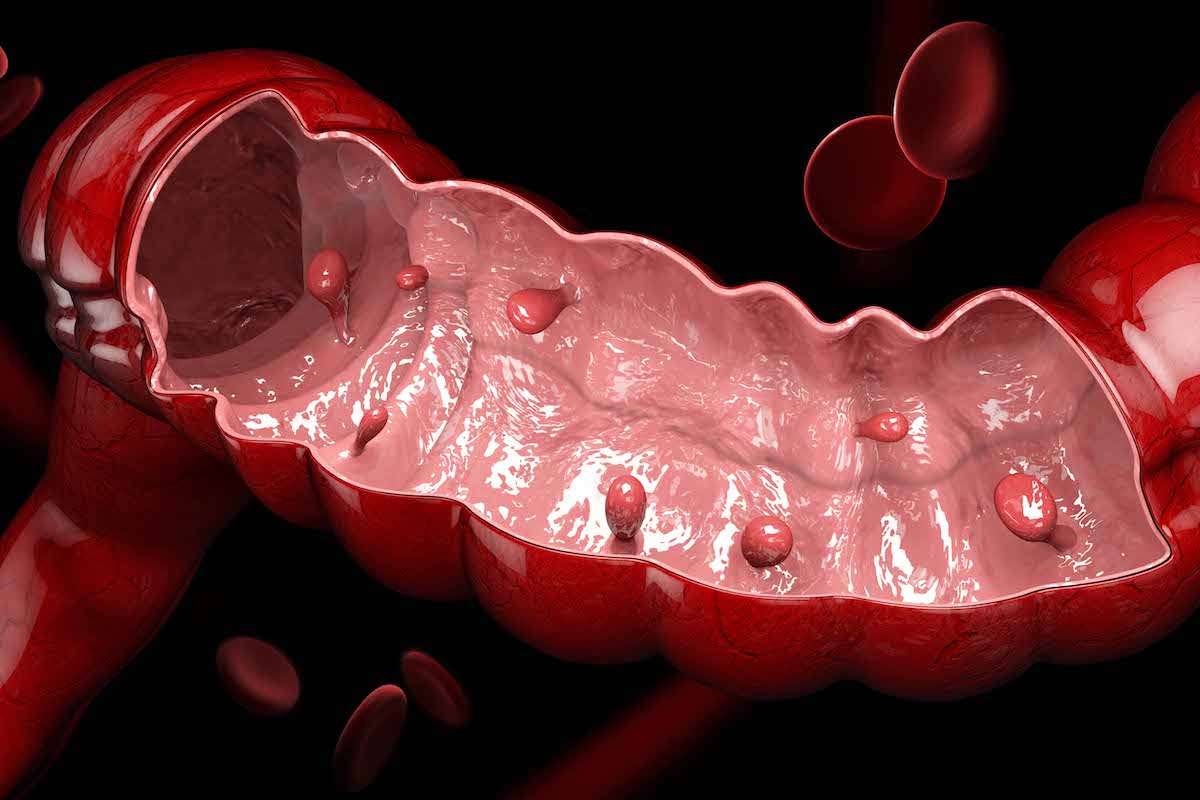
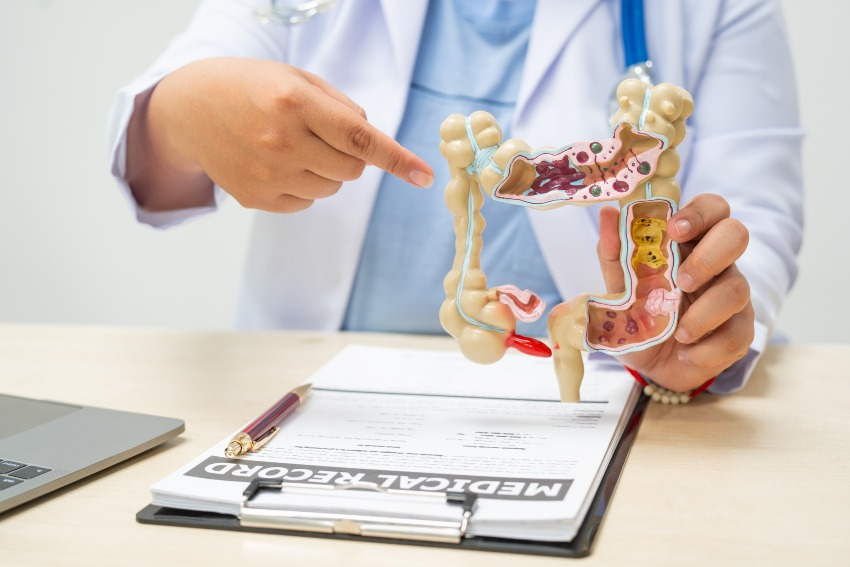
Constipation is a condition where a person has difficulty passing stool or has fewer bowel movements than usual. The stool becomes hard, dry, and painful to pass. Some people may feel bloated or uncomfortable in the stomach.
Common signs of constipation:
- Less than three bowel movements per week
- Hard or dry stool
- Straining during bowel movements
- Feeling of incomplete emptying
- Stomach pain or bloating
Constipation is usually not dangerous, but if it continues for a long time, it can affect your daily comfort and health.
What is Diarrhea?
Diarrhea is the opposite of constipation. It is a condition where a person passes loose, watery stools frequently. It can happen suddenly and may last for a few days or longer depending on the cause.
Common signs of diarrhea:
- Frequent loose or watery stools
- Urgent need to go to the toilet
- Stomach cramps
- Nausea or sometimes fever
- Dehydration in severe cases
Diarrhea can sometimes become serious if the body loses too much water and essential minerals.
Causes of Constipation
Constipation can happen for many reasons. Some of the most common causes include:
1. Low fiber diet
Eating too little fruits, vegetables, and whole grains slows digestion.
2. Not drinking enough water
Dehydration makes stool hard and difficult to pass.
3. Lack of physical activity
A sedentary lifestyle slows down bowel movement.
4. Ignoring the urge
Holding stool for long periods can lead to constipation.
5. Certain medicines
Painkillers, iron tablets, and some antidepressants can cause constipation.
Causes of Diarrhea
Diarrhea usually happens when the digestive system is irritated or infected.
1. Viral or bacterial infections
Contaminated food or water can lead to stomach infections.
2. Food poisoning
Eating spoiled or unhygienic food is a common cause.
3. Food intolerance
Some people cannot digest lactose or certain foods properly.
4. Medicines
Antibiotics can disturb gut bacteria balance.
5. Stress and anxiety
Emotional stress can also affect digestion.
How Constipation and Diarrhea Affect the Body
Even though they are different, both conditions disturb the normal digestive process.
- Constipation slows down waste removal, causing discomfort and toxin buildup.
- Diarrhea speeds up digestion too much, causing loss of water and nutrients.
Sometimes, a person may even experience both alternately due to conditions like irritable bowel syndrome (IBS).
Diet and Nutrition Tips
Food plays a very important role in managing both constipation and diarrhea.
For Constipation:
- Eat fiber-rich foods like fruits, vegetables, oats, and beans
- Drink plenty of water (8–10 glasses daily)
- Include prunes, apples, and pears in diet
- Avoid processed and fast foods
For Diarrhea:
- Drink oral rehydration solution (ORS)
- Eat light foods like rice, bananas, toast, and yogurt
- Avoid spicy, oily, and dairy-heavy foods
- Stay hydrated with clean water and soups
Home Remedies
Many simple home remedies can help improve both conditions.
For Constipation:
- Warm water in the morning
- Flaxseeds or chia seeds
- Herbal teas like ginger or peppermint
- Regular walking or exercise
For Diarrhea:
- ORS solution for hydration
- Banana and rice diet (BRAT diet)
- Yogurt with probiotics
- Rest and light meals
Medical Treatment
If symptoms become severe or long-lasting, medical help is needed.
For constipation:
Doctors may recommend:
- Laxatives
- Fiber supplements
- Lifestyle changes
For diarrhea:
Doctors may suggest:
- Anti-diarrheal medicines
- Antibiotics (if infection is bacterial)
- IV fluids in severe dehydration cases
Never self-medicate for a long time without proper advice.
Prevention Tips
Preventing digestive problems is easier than treating them.
- Eat a balanced diet daily
- Stay hydrated
- Exercise regularly
- Avoid junk food and excessive caffeine
- Wash hands before eating
- Maintain good food hygiene
Good lifestyle habits keep your digestive system healthy and active.
When to See a Doctor
You should seek medical help if:
- Constipation lasts more than 2 weeks
- Severe abdominal pain occurs
- Blood appears in stool
- Diarrhea lasts more than 3 days
- Signs of dehydration (dry mouth, dizziness) appear
Early treatment helps prevent complications.
Conclusion
Constipation and diarrhea are common digestive problems that almost everyone experiences at some point in life. Although they are opposite conditions, both affect how the body processes and removes waste. The good news is that both can often be managed with proper diet, hydration, and healthy lifestyle habits.
Understanding your body, eating the right foods, and staying active are the key steps to keeping your digestive system balanced and healthy.
FAQs
1. What is the main difference between constipation and diarrhea?
Constipation means difficulty passing stool, while diarrhea means passing loose and frequent stools.
2. Can stress cause constipation or diarrhea?
Yes, stress and anxiety can affect the digestive system and cause both conditions.
3. Is constipation dangerous?
Occasional constipation is normal, but long-term constipation may need medical attention.
4. What foods help stop diarrhea quickly?
Bananas, rice, toast, yogurt, and applesauce can help control diarrhea.
5. How much water should I drink daily for good digestion?
Generally, 8–10 glasses of water per day help maintain healthy digestion and prevent both conditions.