
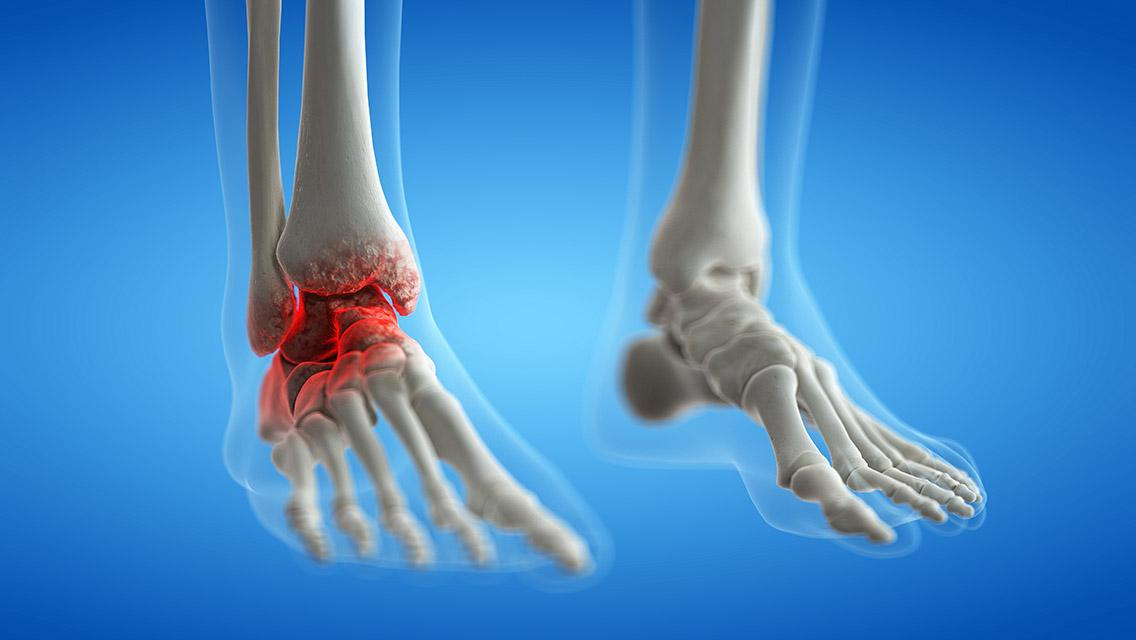
Arthritis in the foot and ankle is a common health problem that affects many people around the world. It is a condition where the joints in the foot or ankle become inflamed, painful, and stiff. These joints are very important because they help us stand, walk, run, and maintain balance. When arthritis develops in this area, even simple daily activities can become difficult.
In this article, we will explain what arthritis in the foot and ankle means, its causes, symptoms, risk factors, diagnosis, and treatment options in very easy and human-like language. We will also include some helpful tips and frequently asked questions to make everything clearer.
What is Arthritis in the Foot and Ankle?
Arthritis is a condition that causes swelling and pain in the joints. In the foot and ankle, it affects the small joints of the toes, midfoot, or the main ankle joint that connects the leg to the foot.
There are more than 100 types of arthritis, but the most common types affecting the foot and ankle are:
- Osteoarthritis (wear and tear of joints over time)
- Rheumatoid arthritis (an autoimmune disease where the body attacks its own joints)
- Post-traumatic arthritis (develops after an injury like a fracture or sprain)
- Gout (caused by uric acid buildup in joints)
Each type affects the joint differently, but all lead to pain, swelling, and stiffness.
Causes of Arthritis in Foot and Ankle
There is no single cause, but several factors can lead to arthritis in these joints:
1. Aging
As we grow older, the cartilage (soft tissue that protects joints) naturally wears down. This is the most common cause of osteoarthritis.
2. Injuries
Previous injuries like fractures, sprains, or ligament damage can increase the risk of developing arthritis later in life.
3. Autoimmune Disorders
In conditions like rheumatoid arthritis, the immune system mistakenly attacks the joints, causing inflammation and damage.
4. Excess Body Weight
Being overweight puts extra pressure on the feet and ankles, which can speed up joint wear and tear.
5. Genetic Factors
Some people inherit a higher risk of arthritis from their family.
6. Joint Overuse
Athletes or people who stand for long hours may also develop arthritis due to repeated stress on joints.
Symptoms of Arthritis in Foot and Ankle
Symptoms can develop slowly or suddenly depending on the type of arthritis. Common signs include:
- Pain in the foot or ankle joint
- Swelling and tenderness
- Stiffness, especially in the morning
- Difficulty walking or standing for long periods
- Reduced range of motion
- Warmth or redness around the joint
- Deformity in severe cases
At first, the pain may come and go, but over time it can become constant.
How Arthritis Affects Daily Life
Arthritis in the foot and ankle can make daily activities very challenging. Walking short distances, climbing stairs, or even wearing shoes can become painful. Some people may also change their walking style to avoid pain, which can cause problems in the knees, hips, or back.
In severe cases, arthritis can affect independence and reduce quality of life.
Diagnosis of Foot and Ankle Arthritis
Doctors use different methods to diagnose arthritis:
1. Physical Examination
The doctor checks for swelling, pain, and movement ability in the joint.
2. X-rays
X-rays show bone damage, joint space narrowing, and deformities.
3. MRI or CT Scan
These imaging tests give a detailed view of soft tissues and cartilage.
4. Blood Tests
Used mainly for detecting rheumatoid arthritis or gout.
Early diagnosis is very important to prevent further joint damage.
Treatment Options for Arthritis in Foot and Ankle
Although arthritis cannot always be completely cured, many treatments can reduce pain and improve movement.
1. Medications
Doctors may prescribe:
- Pain relievers (like acetaminophen)
- Anti-inflammatory drugs (NSAIDs)
- Special medicines for rheumatoid arthritis or gout
2. Physical Therapy
Exercises help strengthen muscles around the joint and improve flexibility.
3. Lifestyle Changes
- Losing weight reduces pressure on joints
- Wearing comfortable shoes helps reduce pain
- Avoiding long periods of standing
4. Orthotic Devices
Special shoe inserts or braces support the foot and reduce stress on joints.
5. Injections
Corticosteroid injections may reduce inflammation and pain temporarily.
6. Surgery
In severe cases, surgery may be needed:
- Joint fusion (removes joint movement to reduce pain)
- Joint replacement (replaces damaged joint with artificial one)
Home Remedies and Self-Care Tips
People with arthritis can also manage symptoms at home:
- Apply ice packs to reduce swelling
- Use warm compresses to relax stiff joints
- Do gentle stretching exercises daily
- Rest when pain increases
- Maintain a healthy body weight
- Wear supportive and cushioned footwear
These simple steps can make a big difference in daily comfort.
Prevention Tips
While not all types of arthritis can be prevented, you can lower your risk by:
- Keeping a healthy weight
- Exercising regularly (low-impact activities like swimming or walking)
- Avoiding foot injuries
- Wearing proper shoes
- Treating joint injuries properly and early
Living with Foot and Ankle Arthritis
Living with arthritis can be challenging, but it is manageable. Many people continue to live active and healthy lives with the right care. The key is early diagnosis, proper treatment, and lifestyle adjustments.
Support from family, regular medical check-ups, and staying physically active can help maintain independence and improve quality of life.
Conclusion
Arthritis in the foot and ankle is a long-term condition that affects mobility and comfort. It can be caused by aging, injury, autoimmune disease, or other factors. Although it cannot always be cured, its symptoms can be controlled with medicines, therapy, lifestyle changes, and sometimes surgery.
Understanding the condition early and taking proper care can help you stay active and reduce pain significantly. If you feel ongoing pain or stiffness in your feet or ankles, it is always best to consult a doctor for proper evaluation.
Frequently Asked Questions (FAQs)
1. What is the main cause of arthritis in the foot and ankle?
The most common cause is wear and tear of the joints due to aging, but injuries and autoimmune diseases can also lead to it.
2. Can arthritis in the foot be cured completely?
There is no complete cure for most types of arthritis, but treatments can control pain and improve movement.
3. Is walking good for foot and ankle arthritis?
Yes, gentle walking is helpful because it keeps joints flexible. However, it should be done in moderation and with proper shoes.
4. What foods help reduce arthritis pain?
Foods rich in omega-3 fatty acids (like fish), fruits, vegetables, and anti-inflammatory foods can help reduce symptoms.
5. When should I see a doctor for foot pain?
You should see a doctor if pain lasts more than a few weeks, gets worse, or affects your ability to walk or do daily activities.