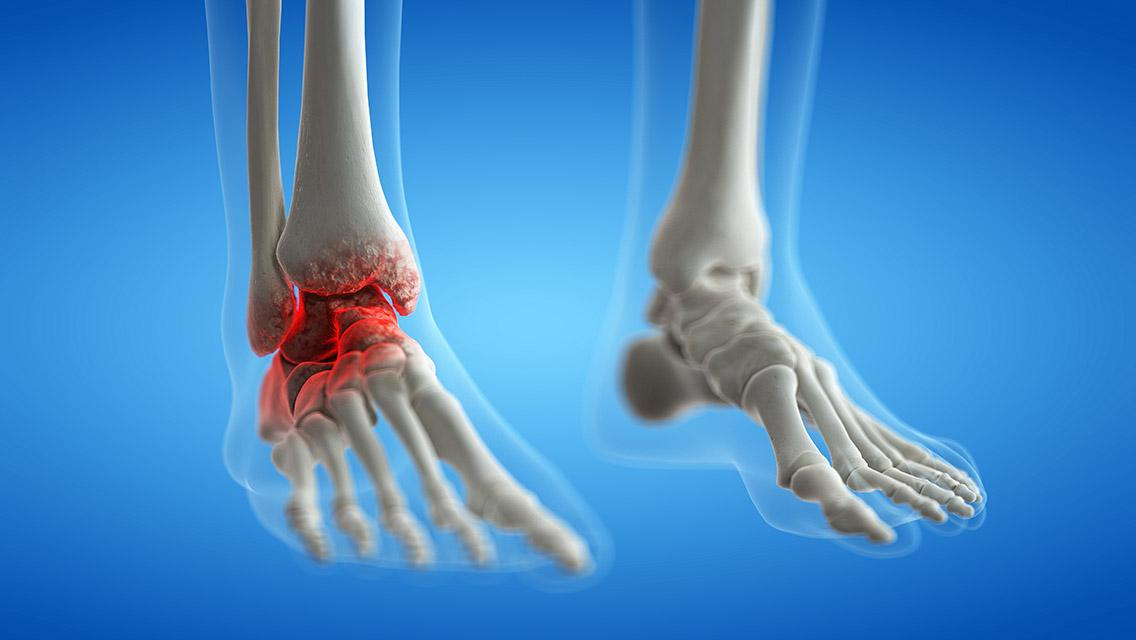
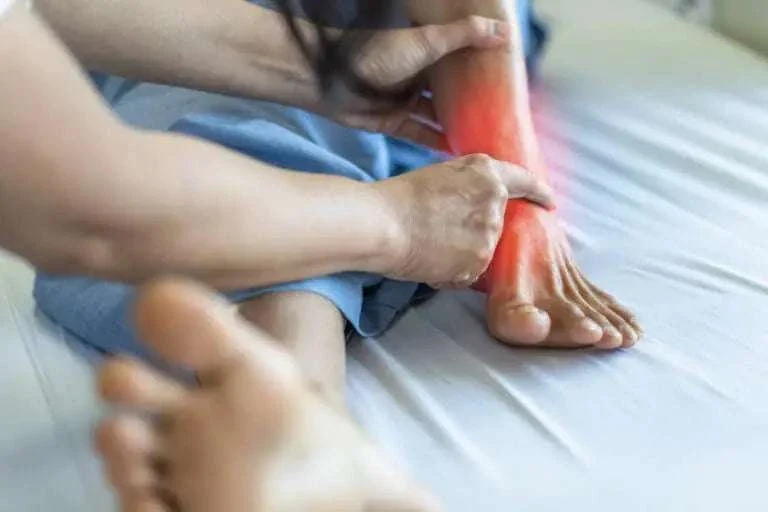
Plantar fasciitis is a cause of heel pain that may affect walking, exercise, and other everyday activities. A comprehensive treatment plan often includes stretching exercises, supportive footwear, and other interventions based on the severity of symptoms. Here is a closer look at comprehensive treatment plans for managing plantar fasciitis pain:
Identifying Symptoms and Causes
Recognizing the signs early is a key step toward effective care. Plantar fasciitis develops when the plantar fascia becomes irritated or overloaded, and the resulting inflammation triggers pain in the heel or arch. Certain habits and physical factors increase your risk. Here are some common symptoms and causes:
- Sharp morning pain: People feel intense heel pain during their first few steps, and the discomfort often eases as the tissue loosens with movement.
- Pain after rest: Sitting for long periods can stiffen the fascia, which leads to renewed pain when you stand.
- Discomfort after exercise: Running or high-impact activity strains the fascia, and pain frequently appears afterward rather than during the activity.
- Tight calf muscles: Limited flexibility pulls on the heel, so tension travels down into the fascia.
- Excess body weight: Added load increases stress on the fascia, which makes irritation more likely.
Relieving Plantar Fasciitis Pain
Relief usually begins with consistent steps that lower the strain on your foot. Rest reduces repeated stress, and applying ice to the heel can help calm inflammation after activity. Gentle stretching of the calf and the arch keeps the fascia flexible. People often find that regular stretching also eases stiffness before they take their first steps. Your provider may recommend over-the-counter pain relievers to manage discomfort. When you combine these methods with rest and gradual activity, you give the tissue time to recover while you stay mobile.
Improving Foot Support
Proper support plays a fundamental role in easing pressure on the plantar fascia. The right footwear and added cushioning distribute your weight more evenly, reducing the repeated pull on your heel. Here are key support strategies that help with plantar fasciitis, each targeting a different aspect of daily comfort.
Supportive Footwear
Shoes with firm arch support and a cushioned sole absorb impact, so your foot experiences less strain during each step. Look for footwear that fits snugly at the heel, and make sure the sole flexes at the toes. Worn-out shoes lose their structure, which increases pressure on the fascia, so replacing them regularly is helpful. When your shoes match your foot shape and activity level, they support natural movement and reduce discomfort.
Custom Orthotics
Custom orthotics are inserts shaped to your foot, and they redistribute pressure across the sole. A provider measures your foot and gait, so the finished insert matches your specific structure and stride. These devices fit inside your regular shoes, and people often wear them throughout the day to maintain consistent support.
Exploring Advanced Treatments
When basic methods do not provide enough relief from plantar fasciitis, advanced treatments offer more options that a provider can tailor to your needs. Physical therapy uses targeted exercises to strengthen the muscles that support your arch, and a therapist may add manual techniques that improve flexibility. Night splints hold the foot in a stretched position during sleep, so the fascia stays lengthened and morning pain often decreases.
Some providers use corticosteroid injections to reduce persistent inflammation. In rare cases where pain continues despite these steps, your provider may discuss surgical options. This decision follows a careful review of your history and response to earlier treatments.
Schedule Your Plantar Fasciitis Appointment
A comprehensive plan for plantar fasciitis combines symptom relief, better foot support, and advanced treatments when needed. Early attention to symptoms and causes helps you prevent further strain, and consistent care supports a return to comfortable movement. Contact a professional podiatrist near you to schedule your plantar fasciitis appointment today.