Breathing is something we do without thinking. But for people with asthma or other breathing problems, even a simple breath can sometimes feel difficult. Asthma is one of the most common conditions that affects the lungs and makes breathing harder at times. It can happen to children, adults, and older people. The good news is that with proper care, asthma can be controlled and people can live a normal, active life.
In this article, we will explain asthma and breathing issues in a very simple and human way. You will learn what asthma is, what causes it, how it affects breathing, its symptoms, triggers, and how it can be managed in daily life.
What is Asthma?
Asthma is a long-term condition that affects the airways in the lungs. The airways are like small tubes that carry air in and out of your lungs. In people with asthma, these airways become sensitive and can get inflamed or swollen.
When this happens:
- The airways become narrow
- Extra mucus is produced
- Breathing becomes difficult
This leads to symptoms like coughing, wheezing, chest tightness, and shortness of breath.
Asthma does not go away completely, but it can be controlled with treatment and lifestyle care.
How Asthma Affects Breathing
To understand asthma, imagine breathing through a straw. Now imagine that the straw becomes smaller and filled with sticky mucus. That is what happens inside the lungs during an asthma attack.
Normally, air flows easily in and out of the lungs. But during asthma:
- Muscles around airways tighten
- Airways become swollen
- Less air reaches the lungs
This makes breathing feel heavy, fast, and uncomfortable.
Some people experience mild symptoms, while others may have severe attacks that require medical help.
Common Symptoms of Asthma and Breathing Issues
Asthma symptoms can be different for each person, but the most common signs include:
1. Shortness of Breath
Feeling like you cannot take in enough air, especially during exercise or at night.
2. Wheezing
A whistling sound when breathing, usually when breathing out.
3. Chest Tightness
A feeling that something is squeezing your chest.
4. Persistent Cough
Coughing more at night, early morning, or after physical activity.
5. Difficulty Sleeping
Breathing problems often get worse at night, making sleep difficult.
If these symptoms happen often, it may be a sign of asthma or another breathing issue.
What Causes Asthma?
Asthma does not have a single cause. It usually develops due to a combination of genetics and environmental factors.
Some common causes include:
- Family history of asthma or allergies
- Exposure to smoke or pollution
- Dust mites and pet dander
- Viral infections in childhood
- Allergic reactions
- Strong smells or chemicals
Each person may have different causes, and identifying them is important for control.
Common Triggers That Make Asthma Worse
Triggers are things that can suddenly worsen asthma symptoms. They do not cause asthma but can activate it.
Some common triggers include:
- Cigarette smoke
- Cold air or weather changes
- Dust and pollen
- Exercise or physical activity
- Stress and anxiety
- Air pollution
- Strong perfumes or cleaning products
Avoiding triggers is one of the best ways to prevent asthma attacks.
Types of Asthma
Asthma is not the same for everyone. Some common types include:
1. Allergic Asthma
Triggered by allergens like dust, pollen, or pets.
2. Non-Allergic Asthma
Caused by stress, exercise, or weather changes.
3. Exercise-Induced Asthma
Symptoms appear during or after physical activity.
4. Occupational Asthma
Triggered by chemicals or dust in the workplace.
Understanding the type of asthma helps in choosing the right treatment.
How Asthma is Diagnosed
Doctors usually diagnose asthma through:
- Medical history and symptoms
- Physical examination
- Breathing tests (spirometry)
- Allergy tests
These tests help measure how well your lungs are working and what might be triggering symptoms.
Treatment and Management of Asthma
There is no permanent cure for asthma, but it can be controlled very well with proper treatment.
1. Inhalers
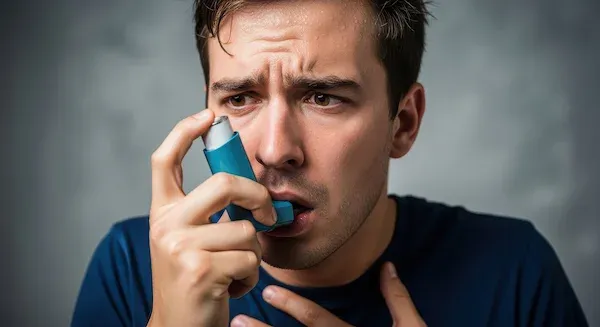
Inhalers are the most common treatment. They deliver medicine directly into the lungs.
- Reliever inhalers: work quickly during an attack
- Preventer inhalers: used daily to reduce inflammation
2. Medicines
Some people may also need tablets or other medications to control symptoms.
3. Avoiding Triggers
Staying away from known triggers is very important.
4. Regular Checkups
Doctors may adjust treatment depending on your condition.
Lifestyle Tips for Better Breathing
Managing asthma is not only about medicine. Daily habits also matter a lot.
Here are some simple tips:
- Keep your home clean and dust-free
- Avoid smoking and smoky areas
- Exercise regularly but safely
- Drink enough water
- Manage stress through relaxation techniques
- Use masks in polluted areas
Small changes in lifestyle can make a big difference in breathing comfort.
Living a Normal Life with Asthma
Many people think asthma limits life, but that is not true. With proper care, people with asthma can study, work, travel, and play sports.
The key is:
- Knowing your triggers
- Taking medicines regularly
- Acting quickly during symptoms
With awareness and discipline, asthma becomes a manageable condition rather than a barrier.
When to Seek Emergency Help
Sometimes asthma can become serious. You should seek immediate medical help if:
- Breathing becomes very difficult
- Lips or face turn blue
- Reliever inhaler does not work
- You cannot speak full sentences
- Chest tightness becomes severe
Quick action can save lives in severe asthma attacks.
Conclusion
Asthma and breathing issues may sound scary, but they are manageable conditions. Understanding what asthma is, what causes it, and how to control it can make life much easier. With proper treatment, healthy habits, and awareness of triggers, people with asthma can live a full and active life.
Breathing is life, and taking care of your lungs is one of the most important things you can do for your health.
Frequently Asked Questions (FAQs)
1. Can asthma be cured permanently?
No, asthma cannot be completely cured, but it can be controlled with proper treatment and lifestyle changes.
2. What is the main cause of asthma?
Asthma is usually caused by a mix of genetic and environmental factors, including allergies and pollution.
3. Can exercise make asthma worse?
Yes, in some people exercise can trigger symptoms, but with proper treatment, most people can safely exercise.
4. Is asthma dangerous?
Asthma can be serious if not controlled, but with regular treatment, most people live normal lives.
5. How can I quickly stop an asthma attack?
Using a reliever inhaler and staying calm can help during an attack. If symptoms are severe, seek medical help immediately.