
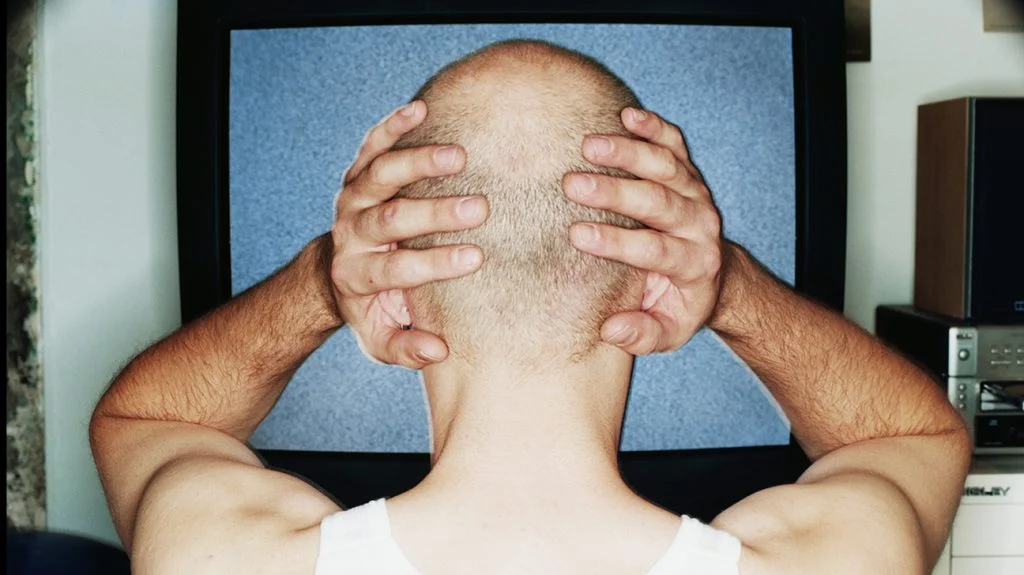
Headaches are one of the most common health problems in the world. Almost every person experiences them at some point in life. While some headaches are mild and go away quickly, others can be severe and long-lasting, especially migraines. Although people often use the words “headache” and “migraine” in the same way, they are actually different conditions.
In this article, we will explain what headaches and migraines are, what causes them, their symptoms, types, treatment options, and how you can prevent them in simple and easy language.
What is a Headache?
A headache is pain or discomfort in the head, scalp, or neck. The pain can be mild, moderate, or severe. It may feel like a tight band around your head, a dull ache, or sharp pain in one area.
Headaches are usually not dangerous, but they can affect your daily life, making it hard to focus, work, or relax.
Common causes of headaches include:
- Stress or emotional tension
- Lack of sleep
- Dehydration (not drinking enough water)
- Eye strain from screens or reading
- Hunger or skipping meals
- Poor posture
- Caffeine withdrawal
What is a Migraine?
A migraine is a stronger and more serious type of headache. It often causes intense, throbbing pain, usually on one side of the head. Migraines can last from a few hours to several days and can significantly affect daily activities.
Unlike regular headaches, migraines often come with other symptoms such as nausea, vomiting, and sensitivity to light or sound.
Migraines are considered a neurological condition, meaning they are related to the brain and nervous system.
Symptoms of Headaches
Headache symptoms depend on the type, but common signs include:
- Dull or sharp pain in the head
- Pressure or tightness around the forehead or back of the head
- Pain in the temples or neck
- Mild sensitivity to light or noise
- Fatigue or tired feeling
Most common headaches, like tension headaches, are not severe and improve with rest or simple medication.
Symptoms of Migraines
Migraine symptoms are more intense and may include:
- Throbbing or pulsing pain in one side of the head
- Severe pain that worsens with movement
- Nausea or vomiting
- Sensitivity to light, sound, or smells
- Blurred vision or visual disturbances (aura)
- Dizziness or lightheadedness
- Extreme tiredness after the attack
Some people experience warning signs before a migraine, known as an “aura,” which can include flashing lights, blind spots, or tingling sensations.
Types of Headaches
There are several types of headaches, but the most common are:
1. Tension Headaches
This is the most common type. It feels like a tight band around the head and is often caused by stress, fatigue, or poor posture.
2. Cluster Headaches
These are severe headaches that occur in groups or “clusters.” The pain is usually around one eye and can be very intense.
3. Sinus Headaches
These happen when the sinuses become inflamed due to infection or allergies. They cause pain in the forehead, cheeks, and nose area.
Types of Migraines
Migraines also come in different forms:
1. Migraine with Aura
This type includes warning signs before the headache starts, such as visual changes or tingling sensations.
2. Migraine without Aura
This is the most common type and happens without any warning signs.
3. Chronic Migraine
If someone has migraines more than 15 days per month, it is called chronic migraine.
4. Vestibular Migraine
This type affects balance and can cause dizziness and vertigo.
What Causes Headaches and Migraines?
There is no single cause, but many triggers can lead to headaches or migraines.
Common triggers include:
- Stress and anxiety
- Hormonal changes (especially in women)
- Lack of sleep or irregular sleep patterns
- Bright lights or loud sounds
- Strong smells
- Weather changes
- Certain foods like chocolate, cheese, or processed foods
- Caffeine or alcohol
- Dehydration
- Eye strain from screens
Everyone may have different triggers, so it is important to observe what causes your headaches.
How are Headaches and Migraines Diagnosed?
Doctors usually diagnose headaches and migraines based on symptoms and medical history. They may ask questions like:
- How often do you get headaches?
- Where is the pain located?
- What does the pain feel like?
- Do you have other symptoms like nausea or dizziness?
In some cases, doctors may recommend blood tests, MRI, or CT scans to rule out other conditions.
Treatment Options
1. Home Remedies
For mild headaches, simple remedies can help:
- Rest in a quiet, dark room
- Drink plenty of water
- Apply a cold or warm compress
- Massage your head or neck
- Take deep breaths and relax
2. Medications
Over-the-counter medicines such as paracetamol or ibuprofen can help relieve pain. For migraines, doctors may prescribe stronger medications or specific migraine drugs.
3. Lifestyle Changes
Healthy habits can reduce headaches and migraines:
- Get enough sleep
- Eat regular, balanced meals
- Reduce stress through yoga or meditation
- Limit screen time
- Avoid known triggers
4. Medical Treatment for Severe Migraines
For frequent migraines, doctors may suggest:
- Preventive medications
- Nerve stimulation therapy
- Botox injections (in some chronic cases)
Prevention Tips
Preventing headaches and migraines is often easier than treating them. Here are some useful tips:
- Drink 7–8 glasses of water daily
- Maintain a regular sleep schedule
- Avoid skipping meals
- Exercise regularly
- Manage stress through relaxation techniques
- Limit caffeine and alcohol intake
- Take breaks from screens every 30–60 minutes
- Keep a headache diary to track triggers
When to See a Doctor
You should seek medical help if:
- Headaches are very frequent or severe
- Pain suddenly becomes worse than usual
- You experience vision changes or confusion
- You have weakness or numbness
- Headaches do not improve with medication
Early diagnosis can help prevent complications and improve quality of life.
Final Thoughts
Headaches and migraines are common but manageable conditions. While a simple headache may only need rest and hydration, migraines can be more serious and require medical care. Understanding the difference between them is important for proper treatment.
By identifying triggers, maintaining a healthy lifestyle, and seeking medical help when needed, you can significantly reduce the impact of headaches and migraines on your life.
Taking care of your body, managing stress, and listening to warning signs are the key steps toward long-term relief.
Frequently Asked Questions (FAQs)
1. What is the main difference between a headache and a migraine?
A headache is usually mild to moderate pain, while a migraine is more severe and often comes with nausea, sensitivity to light, and throbbing pain.
2. Can stress cause headaches and migraines?
Yes, stress is one of the most common triggers for both headaches and migraines.
3. Are migraines dangerous?
Migraines are not usually life-threatening, but they can be very painful and affect daily life if not treated properly.
4. How long do migraines last?
Migraines can last from a few hours to several days, depending on the person and treatment.
5. Can lifestyle changes reduce migraines?
Yes, healthy habits like proper sleep, hydration, stress management, and avoiding triggers can greatly reduce migraines.