Dandruff and scalp disorders are very common problems that affect people of all ages. Many individuals notice white flakes on their shoulders, itching on the scalp, or even redness and irritation. While dandruff may look like a small issue, it can sometimes be a sign of deeper scalp health problems. Understanding what causes dandruff and other scalp disorders is important for proper treatment and long-term relief.
In this article, we will explain dandruff and scalp disorders in a simple and human way, including their causes, types, symptoms, treatments, and prevention tips. You will also find frequently asked questions at the end to clear common doubts.
What is Dandruff?
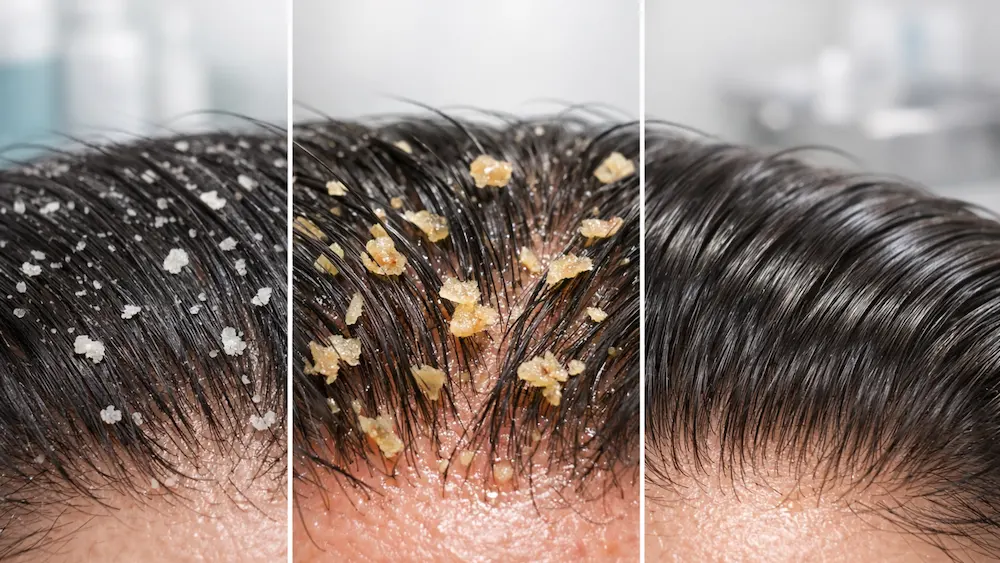
Dandruff is a common scalp condition where dead skin cells fall off the scalp in the form of white or yellow flakes. It is not contagious or dangerous, but it can be embarrassing and uncomfortable.
Dandruff usually comes with symptoms like:
- Itchy scalp
- White flakes on hair or shoulders
- Dry or oily scalp
- Mild redness in some cases
The main reason behind dandruff is the fast shedding of skin cells on the scalp. This can be caused by dry skin, oily skin, or a fungus called Malassezia that lives on the scalp naturally.
What are Scalp Disorders?
Scalp disorders are a group of conditions that affect the skin on the head. Dandruff is just one of them. Other scalp disorders may be more serious and may require medical treatment.
Common scalp disorders include:
- Seborrheic dermatitis
- Psoriasis of the scalp
- Fungal infections (like ringworm)
- Eczema
- Folliculitis (infection of hair follicles)
Each condition has different causes and symptoms, but many of them cause itching, flaking, and irritation.
Causes of Dandruff and Scalp Disorders
There is no single cause of dandruff or scalp problems. Several factors can contribute:
1. Dry Skin
Dry skin is one of the most common causes of dandruff. It usually gets worse in winter when the air is cold and dry.
2. Oily Scalp
An oily scalp can lead to the growth of fungus, which causes dandruff and irritation.
3. Fungal Growth
A yeast-like fungus called Malassezia naturally lives on the scalp. When it grows too much, it can cause dandruff.
4. Poor Hair Hygiene
Not washing hair regularly can lead to oil buildup and flakes.
5. Stress
High stress levels can make dandruff worse by affecting the immune system.
6. Hair Products
Some shampoos, gels, or sprays can irritate the scalp.
7. Medical Conditions
Skin conditions like eczema or psoriasis can also affect the scalp.
Symptoms of Scalp Disorders
Different scalp disorders show different signs, but common symptoms include:
- Persistent itching
- White or yellow flakes
- Red or inflamed skin
- Hair thinning in some cases
- Scalp pain or sensitivity
- Greasy or dry patches
If symptoms continue for a long time, it is important to consult a doctor.
Types of Scalp Disorders
1. Dandruff
The mildest form of scalp flaking caused by dry skin or fungus.
2. Seborrheic Dermatitis
A more severe form of dandruff that causes oily, red, and scaly patches on the scalp.
3. Psoriasis
A chronic condition where the skin cells grow too fast, leading to thick scales and itching.
4. Ringworm (Tinea Capitis)
A fungal infection that can cause hair loss and circular bald patches.
5. Eczema
A condition that causes dry, itchy, and inflamed skin on the scalp.
Treatment Options for Dandruff and Scalp Disorders
The treatment depends on the cause and severity of the condition.
1. Anti-Dandruff Shampoos
These shampoos contain ingredients like zinc pyrithione, ketoconazole, or selenium sulfide that help reduce fungus and flakes.
2. Medicated Treatments
For serious scalp conditions, doctors may prescribe medicated creams, lotions, or shampoos.
3. Natural Remedies
Some home remedies may help mild dandruff:
- Coconut oil massage
- Aloe vera gel
- Tea tree oil shampoo
- Apple cider vinegar rinse
4. Proper Hair Care Routine
- Wash hair regularly
- Avoid harsh chemicals
- Use gentle shampoo
- Keep scalp clean and dry
5. Stress Management
Exercise, meditation, and proper sleep can reduce dandruff caused by stress.
Prevention Tips
Preventing dandruff and scalp disorders is possible with simple habits:
- Wash hair 2–3 times a week
- Do not scratch your scalp too much
- Eat a healthy diet rich in vitamins
- Avoid sharing combs or hair tools
- Drink enough water
- Use mild hair products
Taking care of your scalp regularly can reduce the chances of flare-ups.
When to See a Doctor
You should consult a dermatologist if:
- Dandruff does not improve after using shampoos
- You have severe itching or pain
- There is hair loss or bald patches
- Scalp becomes swollen or infected
Early treatment can prevent complications.
Conclusion
Dandruff and scalp disorders are common but manageable conditions. While dandruff is usually mild, other scalp disorders can be more serious and require proper medical attention. Understanding the causes and maintaining a good hair care routine can help keep your scalp healthy and flake-free.
A healthy scalp means healthy hair, so taking care of it should be part of your regular self-care routine.
FAQs about Dandruff and Scalp Disorders
1. Is dandruff a permanent condition?
No, dandruff is usually temporary and can be controlled with proper treatment and hair care.
2. Can dandruff cause hair loss?
Dandruff itself does not directly cause hair loss, but severe scalp irritation can weaken hair roots.
3. How often should I wash my hair to prevent dandruff?
Most people benefit from washing hair 2–3 times a week, but it depends on your scalp type.
4. Are home remedies effective for dandruff?
Yes, mild dandruff can improve with natural remedies, but severe cases may need medicated treatment.
5. Can stress increase dandruff?
Yes, stress can worsen dandruff by affecting hormone levels and skin health.