
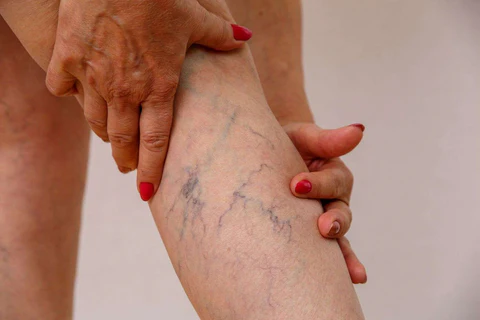
Varicose veins appear as enlarged, twisted vessels, and they often surface on the legs. While they may seem like a cosmetic concern, they also signal underlying vein disease that benefits from evaluation as part of comprehensive cardiovascular care. Here’s information about this condition and when to schedule an appointment with a specialist:
Understanding Varicose Vein Basics
Varicose veins develop when the small valves inside certain veins no longer function properly. These valves normally move blood in one direction, but weakened valves allow blood to pool. This causes the vein to swell and develop a bulging, twisted appearance. Several factors influence how these veins progress, and the combination varies for each individual. Age, family history, and prolonged standing all contribute to the condition. Because these influences may overlap, a healthcare professional reviews your history and examines the affected area to complete a comprehensive assessment.
Recognizing Warning Signs
Certain changes indicate it is time to schedule a professional evaluation. When you notice these changes, a specialist reviews your situation and recommends appropriate next steps. Watch for the following:
- Visible swelling: The lower legs or ankles enlarge, especially after long periods on your feet.
- Skin changes: The skin near the veins darkens, hardens, or develops a different texture.
- Aching or heaviness: The legs feel tired after extended activity or prolonged standing.
- Open sores: A wound near the ankle appears and does not heal within a reasonable timeframe.
These signs warrant a conversation with a qualified healthcare provider, such as a cardiovascular or vascular specialist. A professional interprets each finding in context, which supports an accurate diagnosis and a personalized treatment plan. They can evaluate your vein health and recommend appropriate treatment options; they also determine whether additional testing is necessary.
Preparing for Your Visit
Before your visit with a varicose vein specialist, write down the changes you have noticed in your legs; this includes visible veins, aching, swelling, or heaviness. Note when each symptom began. This record provides a clearer timeline and helps guide a more focused evaluation.
During the appointment, the specialist examines your legs and reviews your medical history in detail to understand vein function. They may order an ultrasound, which shows how blood flows through the leg veins and whether the valves work properly. This scan reveals issues that don’t always appear during a physical exam, so it helps confirm the diagnosis and guide a treatment plan for varicose veins.
You play an active role throughout this process, so open communication is key. When you share complete information about your symptoms, daily routines, and relevant risk factors, the specialist can assess your condition more accurately. Ask questions about your diagnosis and treatment options, and request written instructions if needed. This exchange helps promote understanding, and it supports a clear, collaborative care plan with your provider.
Learn More About Varicose Veins
Varicose veins develop slowly, and recognizing early warning signs helps you decide when to seek care. Persistent swelling, skin changes, and slow-healing sores may indicate chronic venous insufficiency and should be evaluated by a qualified healthcare provider. When you prepare thoroughly and share complete details, you support a more thorough evaluation and a clearer treatment plan. This also helps the provider assess your overall vascular health and identify any related circulation concerns. Schedule an appointment with a qualified professional to discuss your symptoms and vascular health.