A dermatologist is a doctor who focuses on skin, hair, and nail conditions. Since rosacea affects many adults, these specialists see it regularly, and they know its patterns well. If you notice redness that lingers on your cheeks, a dermatologist helps you understand why. Here is more information on the role of these medical providers:
Diagnosing Rosacea
Rosacea looks like other conditions, so an accurate diagnosis matters from the start. A dermatologist examines your skin, and they ask about your triggers and history. When flushing appears with visible vessels, this points toward rosacea rather than simple sensitivity.
Doctors group rosacea into subtypes. Knowing your subtype shapes what comes next, and it guides the tools your specialist selects. When rosacea is suspected, typical signs a dermatologist checks include:
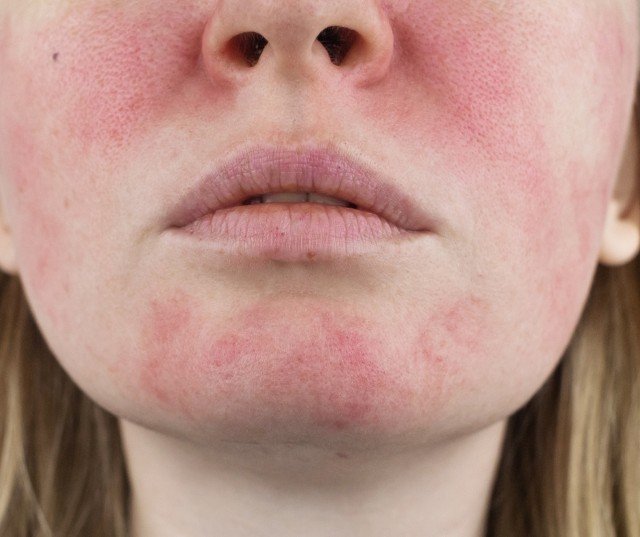
- Persistent redness across the central face
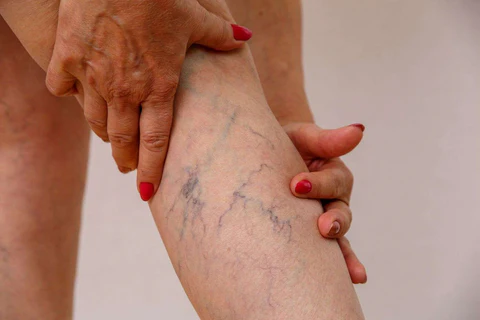
- Visible blood vessels near the surface
- Small bumps that resemble acne
- Sudden stinging or burning after certain products
Creating a Treatment Plan
Your dermatologist builds a plan around your subtype and your daily routine. Since triggers differ, they map out what worsens your skin, and they suggest specific changes. A short discussion typically reveals patterns you missed. If sun exposure flares your face, you will get targeted guidance on protection.
Providing Topicals
Topicals are creams or gels you apply directly to the skin. A dermatologist selects a formula that matches your subtype, and they explain how to use it. When applied as directed, these products target redness and bumps.
Some prescriptions are used to reduce inflammation. Others narrow visible vessels for a set period, and your doctor times them around your schedule. If a topical irritates your skin, tell your dermatologist so they can swap it.
Here is how topical treatments aim to soothe your skin by:
- Calming redness and bumps: They target active flare-ups to help smooth your skin’s texture.
- Soothing inflammation: They work to ease irritation and comfort highly sensitive areas.
- Reducing visible blood vessels: They may reduce flushing to help you look better throughout your day.
- Tailoring relief: They target your specific type of rosacea to give you the most effective results.
Your specialist explains each choice in plain terms, and they answer your questions before you begin.
Performing IPL Treatment
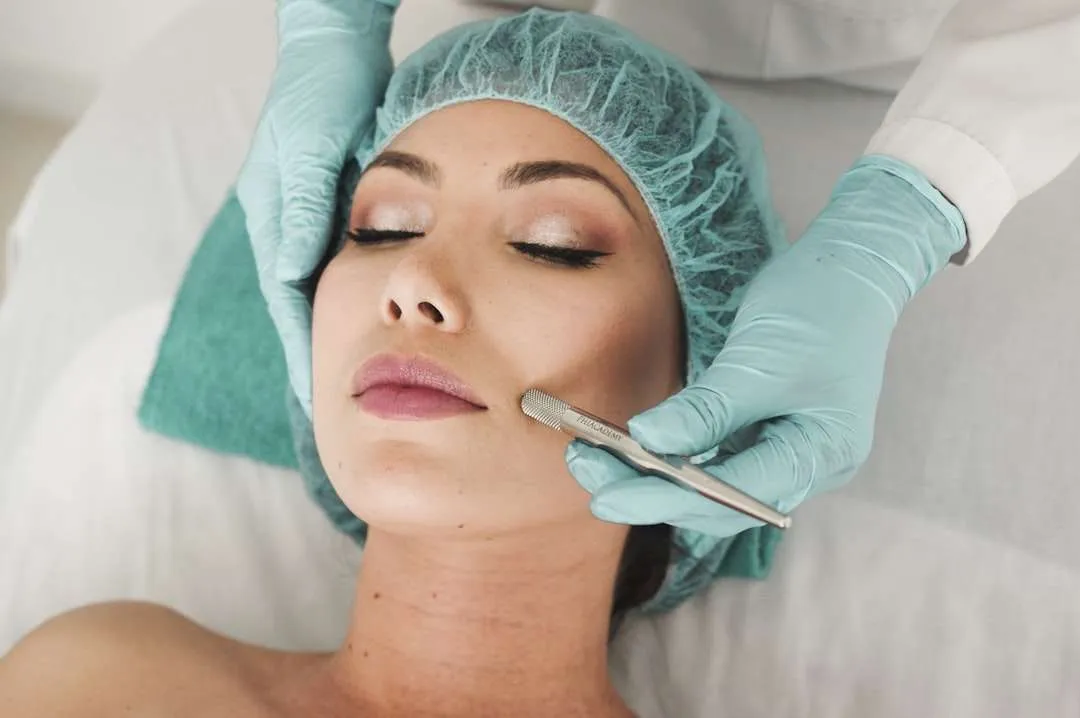
IPL stands for intense pulsed light, a device many dermatology patients already use. A dermatologist uses IPL to target visible blood vessels, and the light reduces the look of redness. When vessels absorb the light, they gradually fade.
The session is quick. You sit while the device passes over treated areas, and most people describe a light snapping sensation. Since skin reacts differently, your dermatologist sets the settings for your tone and your subtype. If you have darker skin, they adjust their approach carefully.
IPL typically happens across several visits. Your dermatologist spaces these sessions apart, and they check your skin between each one. They pair IPL with topicals when your plan calls for both.
Schedule a Dermatologist Visit
Rosacea has no single fix, but a dermatologist gives you a clear path forward. They diagnose your subtype, build a plan, prescribe topicals, and perform IPL when it fits. If persistent redness bothers you, book a consultation with a board-certified dermatologist today. Bring your questions, and start a plan built for your skin.