
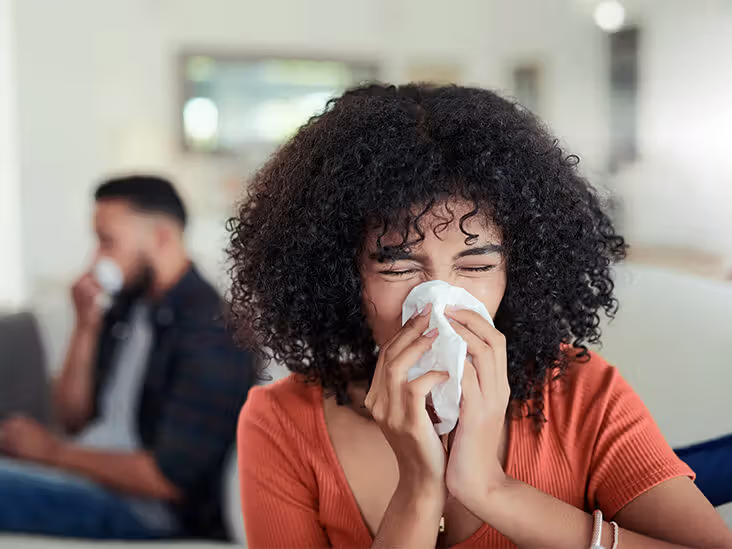
Dust and pollen allergies are among the most common types of allergies in the world. Many people suffer from sneezing, runny nose, itchy eyes, or breathing problems without fully understanding what is triggering them. In simple terms, these allergies happen when your immune system reacts too strongly to tiny particles in the air like dust or pollen. While these particles are harmless for most people, for others they can cause discomfort and even disrupt daily life.
In this article, we will explain dust and pollen allergies in an easy and human way, explore their causes, symptoms, and treatments, and share practical tips to reduce exposure and feel better.
What Are Dust and Pollen Allergies?
Dust and pollen allergies are a type of allergic reaction caused by airborne particles.
Dust allergy happens when your body reacts to tiny dust particles found in your home, workplace, or outdoors. These particles often contain things like dust mites (microscopic insects), dead skin cells, fabric fibers, and even mold spores.
Pollen allergy, also called hay fever or seasonal allergy, occurs when your body reacts to pollen released by trees, grasses, and weeds. Pollen is a fine powder used by plants for reproduction and is easily carried by the wind.
When a person with allergies breathes in these particles, their immune system mistakenly sees them as harmful and releases chemicals like histamine. This leads to allergy symptoms.
Common Causes of Dust and Pollen Allergies
1. Dust Mites
Dust mites are one of the biggest triggers of dust allergies. They live in bedding, mattresses, carpets, and furniture. They are too small to see but can cause strong allergic reactions.
2. Indoor Dust
Household dust contains many tiny particles like skin flakes, fabric fibers, pet dander, and dirt. Poor cleaning habits can increase dust buildup.
3. Pollen from Trees and Grass
During certain seasons, trees and grasses release large amounts of pollen into the air. Wind spreads it everywhere, making it easy to inhale.
4. Weather Changes
Dry and windy weather increases pollen and dust in the air, making allergies worse.
5. Air Pollution
Polluted air can mix with pollen and dust, making allergic reactions even stronger.
Symptoms of Dust and Pollen Allergies
Symptoms can vary from mild to severe depending on the person and exposure level. Common symptoms include:
- Frequent sneezing
- Runny or blocked nose
- Itchy eyes, nose, or throat
- Watery eyes
- Coughing
- Wheezing or shortness of breath
- Fatigue or tired feeling
Some people may also experience headaches or difficulty sleeping due to congestion.
Pollen allergies are usually seasonal, meaning they get worse at certain times of the year, while dust allergies can happen all year round.
How Dust and Pollen Allergies Affect Daily Life
Living with allergies can be frustrating. Simple tasks like cleaning the house, going outside, or even sleeping can become uncomfortable. People may feel tired due to poor sleep caused by nasal blockage or coughing at night.
Children may struggle at school, and adults may find it hard to focus at work. In severe cases, allergies can also trigger asthma symptoms, making breathing more difficult.
Diagnosis of Allergies
If you suspect dust or pollen allergies, a doctor can help confirm it. Common ways to diagnose include:
- Skin prick test: Small amounts of allergens are placed on the skin to see if a reaction occurs.
- Blood test: Measures the immune system’s response to allergens.
- Medical history: The doctor asks about symptoms, timing, and environment.
Treatment Options
There is no permanent cure for allergies, but symptoms can be managed effectively.
1. Antihistamines
These medicines help reduce sneezing, itching, and runny nose by blocking histamine.
2. Nasal Sprays
Steroid nasal sprays reduce inflammation inside the nose.
3. Eye Drops
Used to relieve itchy and watery eyes.
4. Allergy Shots (Immunotherapy)
In severe cases, doctors may recommend allergy shots to slowly train the immune system to become less sensitive.
Simple Home Remedies and Prevention Tips
You can reduce allergy symptoms by making small changes in your daily routine:
Keep Your Home Clean
- Vacuum regularly using a HEPA filter vacuum cleaner
- Wash bedsheets weekly in hot water
- Reduce carpets and heavy curtains where dust collects
Control Dust Mites
- Use dust-proof covers on pillows and mattresses
- Keep humidity low in the house
Avoid Pollen Exposure
- Stay indoors during high pollen seasons (especially early morning)
- Keep windows closed during windy days
- Shower and change clothes after coming from outside
Use Air Purifiers
Air purifiers can help reduce dust and pollen inside your home.
Wear a Mask
When going outside during high pollen or dusty conditions, wearing a mask can reduce inhalation of allergens.
Lifestyle Changes for Better Allergy Control
Healthy habits can also help reduce allergy problems:
- Drink plenty of water to keep your nasal passages clear
- Eat fruits and vegetables rich in antioxidants
- Exercise regularly (preferably indoors during high pollen seasons)
- Avoid smoking and polluted areas
- Manage stress, as it can worsen allergy symptoms
When to See a Doctor
You should consult a doctor if:
- Symptoms last more than a few weeks
- Over-the-counter medicines are not helping
- You experience breathing difficulty or asthma-like symptoms
- Allergies are affecting your sleep or daily life
Early treatment can prevent complications and improve quality of life.
Conclusion
Dust and pollen allergies may not be life-threatening, but they can make daily life uncomfortable and exhausting. Understanding what triggers them and how to control exposure is the key to managing symptoms effectively.
With proper cleaning habits, medication, and lifestyle changes, most people can significantly reduce their allergy problems and live comfortably. The goal is not just to treat symptoms but to create an environment where allergens are minimized.
If you or someone you know suffers from these allergies, small steps taken today can make a big difference in breathing easier tomorrow.
Frequently Asked Questions (FAQs)
1. What is the main difference between dust and pollen allergies?
Dust allergies are usually caused by indoor particles like dust mites, while pollen allergies are caused by outdoor plant pollen and are often seasonal.
2. Can dust and pollen allergies be cured permanently?
There is no permanent cure, but symptoms can be controlled with medication, lifestyle changes, and in some cases immunotherapy.
3. Why are allergies worse at night?
At night, people are exposed to dust mites in bedding, and lying down can make nasal congestion worse.
4. Can children outgrow dust and pollen allergies?
Some children may experience reduced symptoms as they grow older, but others may continue to have allergies throughout life.
5. Are natural remedies effective for allergies?
Natural remedies like steam inhalation, saline rinses, and a clean environment can help reduce symptoms, but they may not replace medical treatment in severe cases.