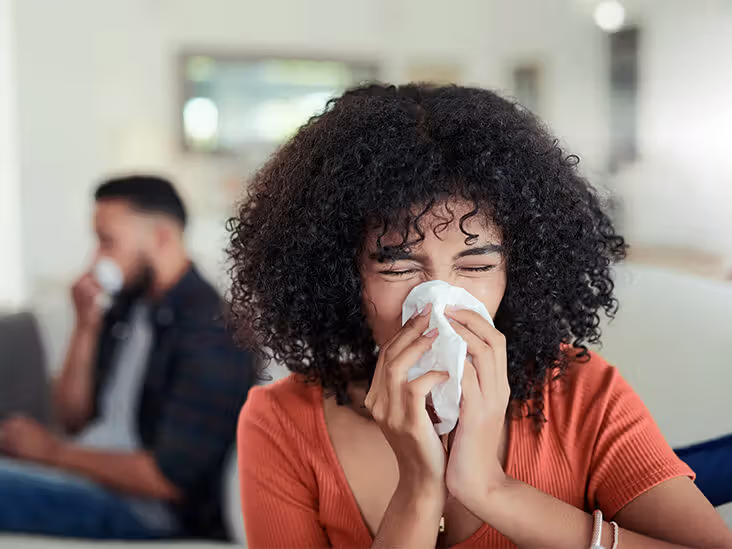
Allergies are becoming more common in today’s world, and two of the biggest indoor allergy triggers are mold and pet allergies. Many people suffer from sneezing, coughing, itchy eyes, and breathing problems without realizing that the real cause might be hidden inside their homes. Mold grows quietly in damp places, and pets shed tiny particles that float in the air. When these allergens enter the body, the immune system reacts strongly, causing uncomfortable symptoms.
In this article, we will explain what mold and pet allergies are, why they happen, their symptoms, and how you can manage them in simple and natural ways.
What Are Mold and Pet Allergies?
Mold Allergies
Mold is a type of fungus that grows in warm, damp, and humid places. You can often find it in bathrooms, kitchens, basements, or anywhere with water leakage or poor ventilation. Mold releases tiny spores into the air, and when people breathe them in, it can trigger an allergic reaction.
Some common molds include:
- Cladosporium
- Aspergillus
- Penicillium
- Alternaria
Not everyone reacts to mold, but people with sensitive immune systems can develop strong allergy symptoms.
Pet Allergies
Pet allergies are not actually caused by fur alone. The real triggers are:
- Pet dander (tiny skin flakes)
- Saliva
- Urine particles
Cats and dogs are the most common causes of pet allergies. Even if a pet is clean or does not shed much, it can still cause allergic reactions.
Why Do These Allergies Happen?
Your immune system protects your body from harmful substances like bacteria and viruses. But in people with allergies, the immune system mistakenly identifies harmless things like mold spores or pet dander as dangerous.
When this happens, the body releases chemicals like histamine. This causes allergy symptoms such as sneezing, swelling, and itching.
Common Symptoms of Mold and Pet Allergies
Symptoms can vary from mild to severe depending on the person and exposure level.
Respiratory Symptoms:
- Sneezing repeatedly
- Runny or blocked nose
- Coughing
- Wheezing
- Shortness of breath
Eye and Skin Symptoms:
- Itchy or watery eyes
- Red eyes
- Skin rashes
- Itchy skin
Other Symptoms:
- Fatigue or tiredness
- Headache
- Difficulty sleeping
In some people, especially those with asthma, symptoms can become more serious.
How Mold Allergies Affect Your Health
Mold exposure is especially harmful in closed spaces. If you live in a house with moisture problems, mold can grow behind walls, under carpets, or in air conditioners.
Long-term exposure may lead to:
- Chronic sinus infections
- Asthma attacks
- Ongoing coughing
- Weak immune response
Children, elderly people, and those with asthma are more sensitive to mold exposure.
How Pet Allergies Affect Daily Life
Pets are loved members of the family, but allergies can make life difficult for some people. Pet allergens stick to clothes, furniture, and carpets, making it hard to avoid them completely.
People with pet allergies may experience:
- Symptoms when entering homes with pets
- Worse reactions in closed rooms
- Sleep problems due to nighttime congestion
This does not always mean you must give up your pet, but you need proper management.
Simple Ways to Manage Mold Allergies
Here are some easy and practical solutions:
1. Reduce Moisture in Your Home
- Fix water leaks immediately
- Use exhaust fans in bathrooms
- Keep windows open for ventilation
2. Clean Regularly
- Wash bathrooms with anti-mold cleaners
- Clean air conditioners and filters
- Remove damp carpets if possible
3. Use Dehumidifiers
A dehumidifier helps reduce humidity, making it harder for mold to grow.
4. Avoid Damp Areas
Try not to spend too much time in basements or old rooms with moisture problems.
Simple Ways to Manage Pet Allergies
1. Keep Pets Clean
- Bathe pets regularly
- Brush them outside the house
2. Create Pet-Free Zones
- Keep pets out of bedrooms
- Avoid letting them sleep on beds or sofas
3. Clean Your Home Often
- Vacuum carpets and furniture
- Wash bedding weekly
- Use air purifiers if possible
4. Wash Hands After Contact
Always wash your hands after touching pets.
Medical Treatments for Allergies
If symptoms are severe, medical treatment may be needed. Common treatments include:
- Antihistamines (to reduce allergy symptoms)
- Nasal sprays (to reduce congestion)
- Allergy shots (immunotherapy for long-term relief)
Always consult a doctor before starting any treatment.
Lifestyle Tips to Reduce Allergies
- Keep windows open for fresh air
- Avoid smoking indoors
- Use hypoallergenic bedding
- Shower after spending time outdoors
- Monitor humidity levels in your home
These small changes can make a big difference.
Can You Prevent Mold and Pet Allergies?
You cannot always completely prevent allergies, but you can reduce the risk by maintaining a clean and dry environment. Early awareness is the key. If you know you are sensitive, you can take steps before symptoms get worse.
Living Comfortably with Allergies
Having mold or pet allergies does not mean you cannot enjoy life or live with pets. With proper care, cleaning habits, and medical support, most people can manage their symptoms effectively. The goal is not just treatment, but creating a healthier living environment.
Conclusion
Mold and pet allergies are common but manageable health conditions. Mold grows in damp places and releases spores, while pet allergies are caused by dander, saliva, and urine particles. Both can trigger symptoms like sneezing, coughing, itchy eyes, and breathing difficulties.
By keeping your home clean, reducing moisture, and taking simple preventive steps, you can significantly reduce allergic reactions. With the right balance of care and awareness, you can live comfortably even if you are sensitive to these allergens.
FAQs
1. What is the main cause of mold allergies?
Mold allergies are mainly caused by breathing in mold spores that grow in damp and humid areas.
2. Can pet allergies go away naturally?
In some cases, symptoms may reduce over time, but most people need management and treatment to control them.
3. Is mold dangerous for everyone?
Not everyone is affected, but people with asthma, weak immunity, or allergies are more sensitive.
4. Can I keep a pet if I have allergies?
Yes, many people keep pets by managing cleanliness, using air filters, and avoiding direct exposure.
5. What is the fastest way to reduce allergy symptoms?
Using antihistamines, cleaning your environment, and avoiding allergens are the fastest ways to reduce symptoms.