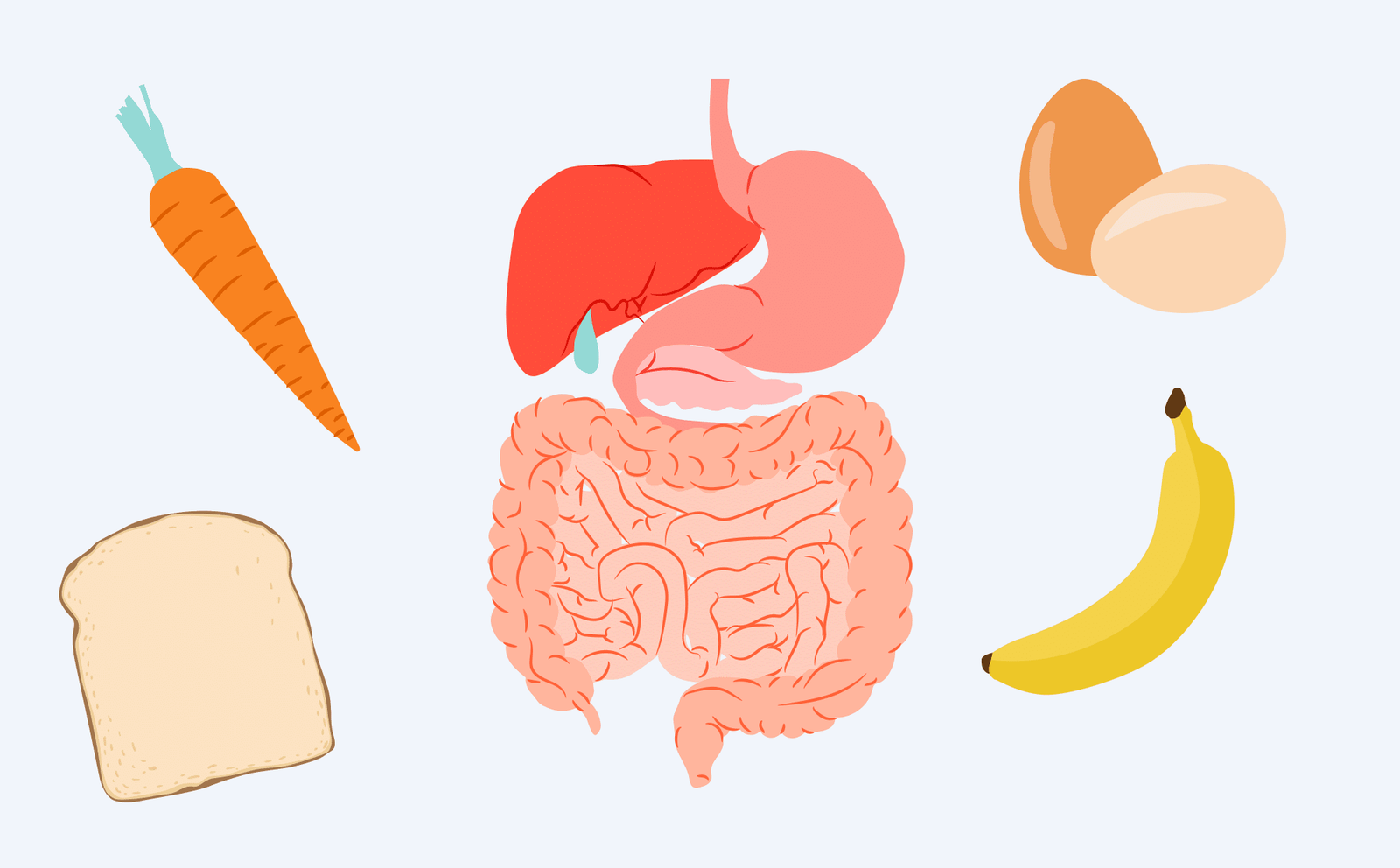
Gastrointestinal problems are very common in people of all ages. The term “gastrointestinal” refers to the digestive system, which includes the stomach, intestines, esophagus, and other organs that help break down food and absorb nutrients. When something goes wrong in this system, it can affect your overall health, energy, and daily life.
In simple words, gastrointestinal problems mean any disorder or discomfort in the digestive tract. These problems can be mild, like temporary indigestion, or serious, like long-term diseases that need medical treatment.
In this article, we will explore what gastrointestinal problems are, their causes, symptoms, types, prevention, and treatment options in a clear and easy way.
What Are Gastrointestinal Problems?
Gastrointestinal problems refer to any condition that affects the digestive system. The digestive system is responsible for:
- Breaking down food into nutrients
- Absorbing vitamins and minerals
- Removing waste from the body
When this system is not working properly, you may experience pain, discomfort, or changes in bowel habits.
These problems can affect different parts of the digestive tract, such as:
- Esophagus (food pipe)
- Stomach
- Small intestine
- Large intestine (colon)
- Liver, pancreas, and gallbladder
Common Types of Gastrointestinal Problems
There are many types of gastrointestinal disorders. Some are temporary, while others are long-term conditions.
1. Acid Reflux (GERD)
This happens when stomach acid flows back into the esophagus. It causes:
- Heartburn
- Chest discomfort
- Sour taste in mouth
2. Indigestion (Dyspepsia)
Indigestion is discomfort in the upper stomach after eating. It may include:
- Bloating
- Nausea
- Feeling too full quickly
3. Constipation
Constipation means difficulty in passing stool or having infrequent bowel movements. It can cause:
- Hard stools
- Pain during bowel movement
- Bloating
4. Diarrhea
Diarrhea is frequent, loose, or watery stools. It is often caused by infection or food issues.
5. Irritable Bowel Syndrome (IBS)
IBS is a chronic condition affecting the large intestine. Symptoms include:
- Stomach cramps
- Gas
- Alternating diarrhea and constipation
6. Gastritis
This is inflammation of the stomach lining, often caused by infection or excessive use of painkillers.
Causes of Gastrointestinal Problems
Gastrointestinal issues can happen for many reasons. Some of the most common causes include:
Poor Diet
Eating too much junk food, spicy food, or fatty food can disturb digestion.
Lack of Fiber
Low fiber intake can lead to constipation and slow digestion.
Stress and Anxiety
Mental stress can directly affect your digestive system and cause stomach pain or IBS symptoms.
Infections
Bacteria, viruses, or parasites can cause stomach flu, diarrhea, and vomiting.
Medications
Some medicines, especially painkillers and antibiotics, can irritate the stomach.
Sedentary Lifestyle
Lack of physical activity slows down digestion and increases constipation risk.
Symptoms of Gastrointestinal Problems
Symptoms may vary depending on the condition, but common signs include:
- Stomach pain or cramps
- Bloating or gas
- Nausea or vomiting
- Constipation or diarrhea
- Heartburn or acid reflux
- Loss of appetite
- Unexplained weight loss
If symptoms continue for a long time, it is important to consult a doctor.
How Gastrointestinal Problems Affect Daily Life
Digestive problems can impact your life in many ways. You may feel tired, uncomfortable, or unable to focus on work or studies. Chronic conditions like IBS or GERD can also affect sleep quality and mental health.
People with severe gastrointestinal issues often avoid certain foods, social events, or travel due to fear of symptoms.
Prevention of Gastrointestinal Problems
The good news is that many digestive issues can be prevented with simple lifestyle changes.
1. Eat a Healthy Diet
Include:
- Fruits and vegetables
- Whole grains
- Fiber-rich foods
Avoid:
- Junk food
- Excess spicy food
- Processed snacks
2. Drink Enough Water
Water helps digestion and prevents constipation.
3. Eat Slowly
Chewing food properly helps the stomach digest food easily.
4. Exercise Regularly
Physical activity improves bowel movement and overall digestion.
5. Manage Stress
Try relaxation techniques like:
- Deep breathing
- Meditation
- Walking
6. Avoid Overuse of Medicines
Only take medicines when prescribed by a doctor.
Treatment of Gastrointestinal Problems
Treatment depends on the type and severity of the problem.
Lifestyle Changes
Most mild problems improve with better diet and habits.
Medications
Doctors may prescribe:
- Antacids for acidity
- Antibiotics for infections
- Anti-diarrheal medicines
- Fiber supplements for constipation
Medical Procedures
In serious cases, tests like endoscopy or colonoscopy may be needed to diagnose the issue.
When to See a Doctor
You should visit a doctor if you experience:
- Severe stomach pain
- Blood in stool
- Persistent vomiting
- Long-term diarrhea or constipation
- Unexplained weight loss
- Difficulty swallowing
Early diagnosis can prevent complications.
Conclusion
Gastrointestinal problems are very common but often manageable. They can range from simple issues like indigestion to chronic conditions like IBS or GERD. Most digestive problems are linked to lifestyle, diet, and stress.
By eating healthy food, staying active, drinking enough water, and managing stress, you can keep your digestive system strong and healthy. However, if symptoms continue or worsen, medical advice is always important.
A healthy digestive system means a healthier and more energetic life.
Frequently Asked Questions (FAQs)
1. What are the most common gastrointestinal problems?
The most common issues include acid reflux, constipation, diarrhea, indigestion, and IBS.
2. Can stress cause gastrointestinal problems?
Yes, stress can directly affect digestion and lead to symptoms like stomach pain, bloating, and IBS flare-ups.
3. How can I improve my digestion naturally?
You can improve digestion by eating fiber-rich foods, drinking water, exercising, and avoiding junk food.
4. Are gastrointestinal problems serious?
Some are mild and temporary, but others can be serious if not treated, especially long-term conditions.
5. When should I worry about stomach problems?
If you have severe pain, blood in stool, or long-lasting symptoms, you should consult a doctor immediately.