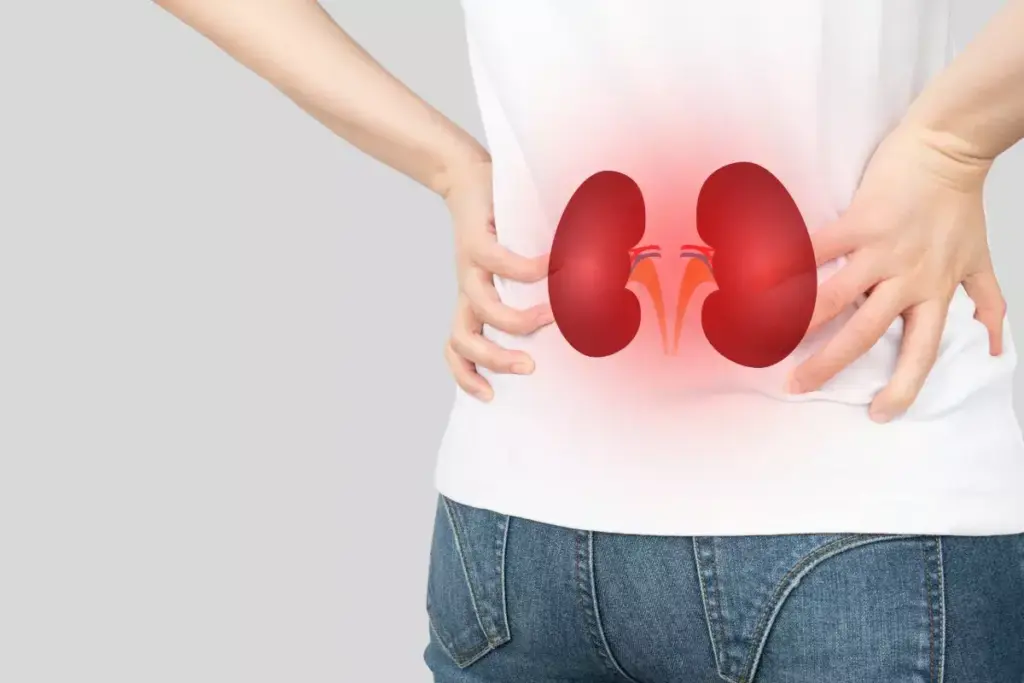
Kidneys are two small, bean-shaped organs located on both sides of your spine, just below the rib cage. Even though they are small, they play a very big role in keeping your body healthy. They filter waste, extra water, and toxins from your blood, and turn them into urine. Kidneys also help control blood pressure, balance minerals, and support red blood cell production.
When kidneys stop working properly, it leads to kidney diseases. This condition can slowly damage your kidneys and affect your overall health. In this article, we will understand kidney diseases in a very simple and human way.
What Are Kidney Diseases?
Kidney disease means your kidneys are not working as they should. This can happen slowly over time (chronic kidney disease) or suddenly (acute kidney injury).
There are different types of kidney diseases:
- Chronic Kidney Disease (CKD) – develops slowly and gets worse over months or years
- Acute Kidney Injury (AKI) – happens suddenly due to infection, dehydration, or injury
- Kidney Stones – hard deposits that form in the kidneys
- Kidney Infection (Pyelonephritis) – caused by bacteria
- Polycystic Kidney Disease (PKD) – genetic condition that forms cysts in kidneys
Each type affects kidney function in different ways.
Main Causes of Kidney Diseases
Kidney problems do not happen without reason. Some common causes include:
1. Diabetes
High blood sugar damages blood vessels in the kidneys over time.
2. High Blood Pressure
Uncontrolled blood pressure puts extra stress on kidney filters.
3. Infections
Repeated kidney or urinary infections can weaken kidney function.
4. Poor Lifestyle
Unhealthy food, too much salt, smoking, and lack of exercise increase risk.
5. Dehydration
Not drinking enough water can lead to kidney stones and damage.
6. Genetic Factors
Some people inherit kidney diseases from their family.
7. Long-term Medication Use
Excess use of painkillers or certain drugs can harm kidneys.
Early Symptoms of Kidney Disease
Kidney disease is often called a “silent disease” because symptoms appear slowly. Many people do not notice it in early stages. However, some warning signs include:
- Feeling very tired and weak
- Swelling in feet, ankles, or face
- Changes in urination (too much or too little urine)
- Foamy or dark-colored urine
- Pain in the lower back area
- Loss of appetite
- Nausea or vomiting
- Difficulty concentrating
- Itchy skin
If these symptoms continue, medical testing is very important.
How Kidney Disease Affects the Body
When kidneys are damaged, waste starts building up in the blood. This can lead to:
- High blood pressure
- Weak bones
- Anemia (low red blood cells)
- Heart problems
- Fluid retention in the body
In severe cases, kidney failure may occur, where kidneys almost stop working. At that stage, dialysis or transplant may be needed.
Diagnosis of Kidney Diseases
Doctors use several tests to check kidney health:
- Blood test (Creatinine & Urea) – shows waste level in blood
- Urine test – checks protein or infection
- Ultrasound – looks at kidney structure
- GFR test – measures kidney function
- CT scan or biopsy – in special cases
Early diagnosis helps prevent serious damage.
Treatment of Kidney Diseases
Treatment depends on the type and stage of kidney disease.
1. Medication
Doctors may prescribe medicines for:
- Blood pressure control
- Blood sugar control
- Infection treatment
- Reducing swelling
2. Lifestyle Changes
Healthy habits can slow down kidney damage:
- Drink enough water
- Reduce salt intake
- Eat fresh fruits and vegetables
- Avoid processed food
- Quit smoking and alcohol
3. Dialysis
If kidneys fail, dialysis is used to clean blood artificially.
4. Kidney Transplant
In severe cases, a healthy kidney from a donor replaces the damaged one.
Prevention of Kidney Diseases
Prevention is always better than cure. You can protect your kidneys by following simple steps:
- Drink 6–8 glasses of water daily
- Control blood pressure and sugar levels
- Eat a balanced diet
- Avoid too much salt and junk food
- Exercise regularly
- Avoid overuse of painkillers
- Go for regular health checkups
Small changes in lifestyle can make a big difference.
Living with Kidney Disease
If someone is diagnosed with kidney disease, it is not the end of life. Many people live long and healthy lives with proper care. Regular monitoring, medication, and lifestyle changes help manage the condition.
Emotional support from family and friends is also very important. Stress control, positive thinking, and healthy routines can improve quality of life.
Conclusion
Kidney diseases are serious but manageable if detected early. Since kidneys play a vital role in cleaning the body, their health should never be ignored. Diabetes, high blood pressure, and poor lifestyle are major causes, but simple habits like drinking water, eating healthy food, and regular exercise can protect them.
Understanding your body and paying attention to early signs can save you from severe complications. Always consult a doctor if you notice any symptoms.
FAQs about Kidney Diseases
1. What is the main cause of kidney disease?
The most common causes are diabetes and high blood pressure, which damage kidney function over time.
2. Can kidney disease be cured?
Some acute kidney problems can be cured, but chronic kidney disease can only be managed, not fully reversed.
3. What foods are bad for kidneys?
Foods high in salt, processed snacks, fast food, and too much protein can harm kidneys.
4. How can I know if my kidneys are weak?
Symptoms like swelling, fatigue, changes in urine, and back pain may indicate kidney issues.
5. Is drinking water good for kidneys?
Yes, drinking enough water helps flush toxins and prevents kidney stones and infections.