
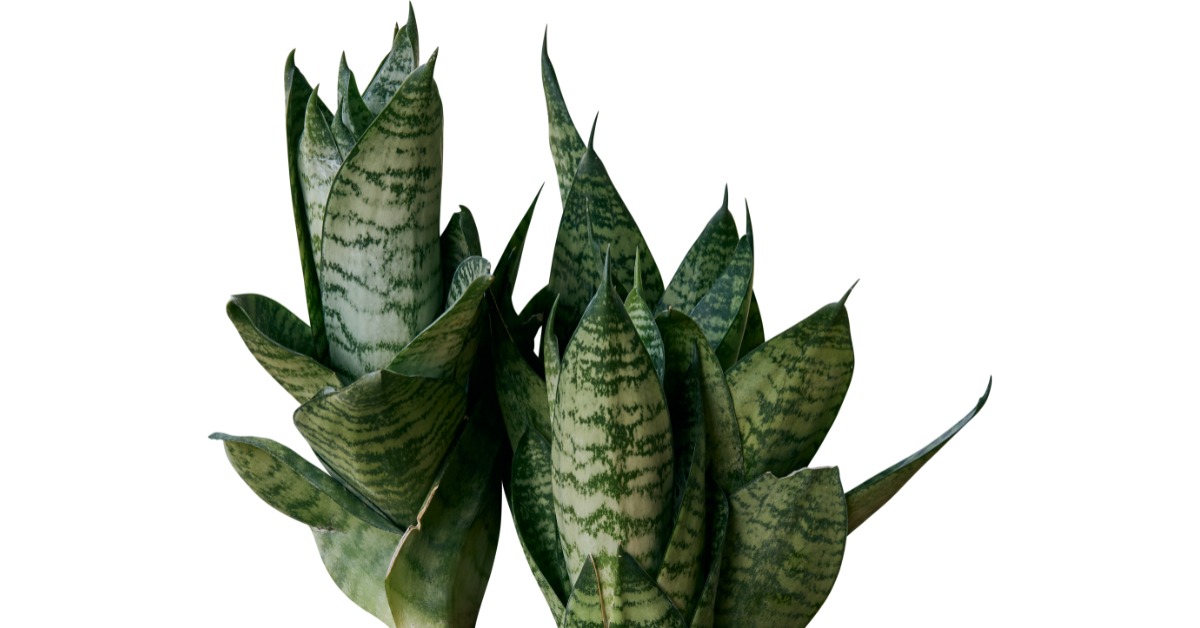
Lyposingrass has recently emerged as a topic of growing interest across gardening, wellness, and sustainability communities. Celebrated for its vibrant appearance and versatile applications, lyposingrass is often described as a modern botanical discovery that blends aesthetic beauty with practical value. From home gardens to natural health discussions, this unique plant is gaining recognition for its balance of resilience, nutrition, and eco-friendly potential.
Also Read: zuyomernon-system-basketball/
Understanding the Origins and Identity of Lyposingrass
At its core, this plant is believed to be scientifically classified as Liposynthera viridis, a species recognized for its slender leaves, fresh aroma, and rich phytonutrient profile. Unlike common grasses, it is often highlighted for its antioxidant content and adaptability to different environments. Researchers and plant enthusiasts alike describe it as a hybrid-like botanical that bridges ornamental gardening with functional benefits.
Nutritional Profile and Natural Compounds
One of the main reasons this plant has attracted attention is its natural composition. It is frequently associated with plant-based antioxidants, essential oils, and trace minerals that support overall wellness. These compounds are similar to those found in aromatic grasses used traditionally for teas and herbal infusions. While ongoing research continues to explore its full nutritional potential, early insights suggest it may contribute to a balanced, plant-forward lifestyle.
Potential Health and Wellness Benefits
Discussions around this botanical often focus on its possible role in supporting natural health. Advocates suggest that its antioxidant properties may help combat oxidative stress, while its refreshing aroma is commonly linked with relaxation and mental clarity. Some wellness enthusiasts also explore its use in herbal preparations as part of detox-focused routines, though it is always recommended to consult professionals before adopting new health practices. In holistic circles, it is appreciated for complementing mindful living rather than serving as a cure-all.
Aromatic and Sensory Appeal
Beyond nutrition, this plant stands out for its sensory qualities. Its light citrus-like scent and vivid green color make it appealing in both indoor and outdoor settings. Gardeners often note that it enhances the atmosphere of a space, offering a calming presence while also contributing to visual harmony. This sensory appeal explains why it is frequently mentioned in discussions about natural landscaping and wellness-oriented environments.
Growing and Caring for the Plant at Home
Cultivating this species is considered relatively straightforward, even for beginner gardeners. It typically thrives in well-drained soil, moderate sunlight, and consistent watering without waterlogging. Because of its adaptable nature, it can be grown in garden beds, pots, or balcony planters. Regular trimming encourages healthy growth and maintains its neat appearance, making it suitable for decorative and functional gardening alike.
Also Read: kingxomiz/
Landscaping and Design Applications
In landscape design, this plant is valued for its versatility. It can be used as a border feature, a ground cover, or a focal point in minimalist garden designs. Its uniform growth pattern and vibrant color make it an excellent choice for eco-conscious landscaping projects. Designers often favor it because it blends seamlessly with other plants while adding a fresh, modern touch to outdoor spaces.
Sustainability and Environmental Impact
Sustainability is another factor driving interest in this botanical. It is often described as low-maintenance, requiring fewer chemical fertilizers and pesticides compared to traditional turf grasses. This makes it a more environmentally responsible option for homeowners seeking greener alternatives. Its potential contribution to soil health and reduced water usage aligns with current trends toward sustainable living and responsible gardening practices.
Practical Uses in Daily Life
Many people explore this plant for practical, everyday uses. Dried leaves are sometimes incorporated into herbal blends, while fresh cuttings may be used for natural air freshening or decorative arrangements. In some cultures, plants with similar profiles are infused into teas or aromatic oils, inspiring creative ways to integrate them into daily routines focused on natural simplicity.
Cultural and Modern Popularity
The growing popularity of this green botanical can also be linked to social media and lifestyle platforms that emphasize wellness, home improvement, and eco-friendly choices. As more individuals seek plants that serve both aesthetic and functional purposes, it fits neatly into this modern narrative. Its reputation as a “green wonder” continues to evolve as gardeners, researchers, and wellness enthusiasts share their experiences.
Frequently Asked Questions
1. What makes lyposingrass different from regular grass?
Lyposingrass is often highlighted for its aromatic qualities, antioxidant content, and adaptability, setting it apart from conventional turf grasses.
2. Can lyposingrass be grown indoors?
Yes, with adequate sunlight and proper drainage, lyposingrass can thrive indoors in pots or containers.
3. Is lyposingrass safe for pets?
While generally considered plant-friendly, it is best to consult a veterinarian before allowing pets to consume any new plant.
4. Does lyposingrass require special fertilizers?
No, it typically grows well with minimal fertilization, making it suitable for sustainable gardening practices.
5. How long does Lyposingrass take to establish in a garden?
Under proper conditions, lyposingrass usually establishes itself within a few weeks and continues to grow steadily with regular care.
Conclusion: Why Lyposingrass Is Worth Exploring
In summary, lyposingrass represents more than just another trendy plant. It combines visual appeal, potential wellness benefits, and sustainability into a single botanical option that resonates with modern lifestyles. Whether you are enhancing your garden, exploring natural wellness practices, or seeking eco-conscious alternatives, lyposingrass offers a compelling balance of beauty and purpose that is worth exploring further.