Brain surgery requires surgeons to navigate one of the body’s most complex organs with minimal margin for error. Neuroradiology is key to modern neurosurgical planning, offering high-resolution imaging that informs every stage of the surgical process. Understanding this relationship can clarify what to expect, and learning why imaging plays a central role in care helps the process proceed more smoothly. Here is more information on neuroradiology’s impact on surgical outcomes:
What Is Brain Surgery?
Brain surgery, or neurosurgery, refers to any surgical procedure involving the brain or its surrounding structures. Surgeons operate on the brain to treat a range of conditions, from tumors to structural abnormalities. Neuroradiology plays a foundational role in this process, providing the detailed imaging that guides surgical decisions before, during, and after the procedure. Modern brain surgery relies on preoperative imaging to plan each step of the procedure; these images help reduce the margin for error.
Why Is Brain Surgery Conducted?
Brain surgery is indicated for specific neurological conditions when non-surgical interventions are insufficient to manage the pathology. It helps:
- Excise benign or malignant brain tumors.
- Repair vascular abnormalities, such as arteriovenous malformations (AVMs).
- Alleviate intracranial pressure caused by traumatic brain injury.
- Manage severe epilepsy through localized tissue resection.
The specific surgical objective depends on the diagnosed condition, establishing precise goals for the clinical outcome and post-operative recovery.
What Is Neuroradiology?
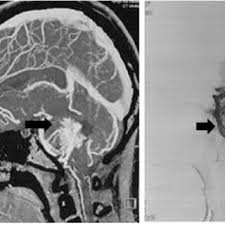
Neuroradiology is a subspecialty of radiology focused on diagnosing and characterizing conditions affecting the brain, spine, and nervous system through medical imaging. Neuroradiologists use imaging tools to produce detailed images of neural structures; the available technologies may include MRI (magnetic resonance imaging), CT (computed tomography) scans, and angiography. These images are then interpreted, enabling healthcare professionals to identify abnormalities that require further medical or surgical attention.
A neuroradiologist may work closely with neurosurgeons to build a complete health profile for the patient. Their findings shape treatment plans, and they determine follow-up protocols. This collaborative role makes neuroradiology valuable to modern neurological care, helping patients find relief from their symptoms.
What Is Neuroradiology’s Impact?
The impact of neuroradiology on surgical outcomes is significant. Detailed pre-operative imaging allows surgeons to map the brain with precision, identifying exactly where a tumor or abnormality lies in relation to surrounding healthy tissue. This level of detail helps reduce the risk of unintended damage to functional brain areas, and it helps patients maintain speech, movement, and memory.
Intraoperative imaging, imaging conducted during surgery, also helps improve outcomes. Surgeons can use real-time MRI or CT guidance to verify that a tumor has been fully removed or that a correction has been made accurately, reducing the likelihood of needing a second surgery. Scans taken after surgery confirm whether the procedure achieved its intended result, and it helps detect complications early, such as bleeding or swelling. Early detection means earlier intervention, which can make a difference in a patient’s recovery.
Consult a Specialist Today
Neuroradiology and neurosurgery work together to improve outcomes for patients with complex brain conditions; from initial diagnosis to post-surgical monitoring, imaging provides the clinical detail surgeons need to operate with care. The precision that neuroradiology brings to brain surgery has made procedures safer and outcomes more predictable. If you or someone you know has been referred for neuroradiological imaging, speak with a specialist. A qualified radiologist can review your imaging, answer your questions, and work alongside your surgical team to guide your care.