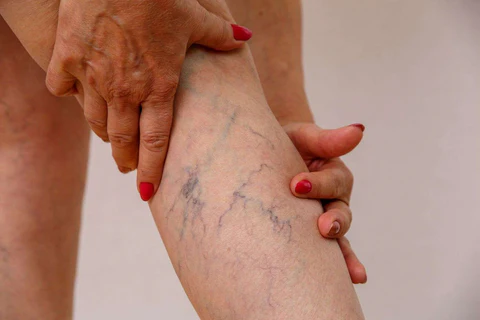
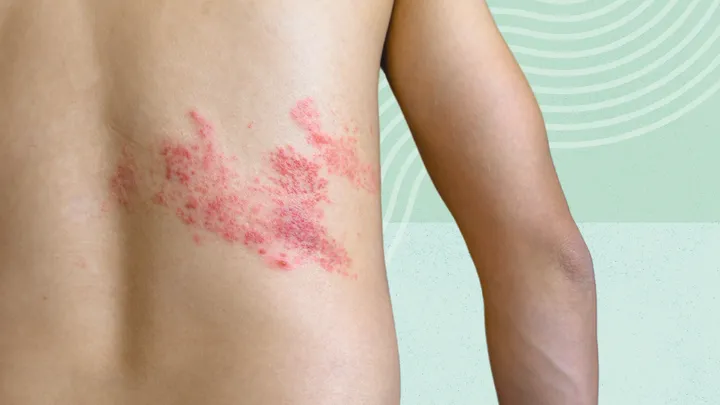
Skin is the largest organ of the human body, and it plays a very important role in protecting us from dust, germs, and harmful substances. But sometimes, the skin becomes irritated, red, itchy, or develops bumps. This condition is commonly known as skin allergies and rashes.
Skin allergies and rashes are very common problems that can happen to anyone—children, adults, or elderly people. They may look simple at first, but they can become uncomfortable and even painful if not treated properly. In this article, we will explain everything in easy and clear language so you can understand what causes them, how they look, and how you can treat and prevent them.
What Are Skin Allergies and Rashes?
A skin allergy happens when your immune system reacts strongly to something that is usually harmless, such as dust, food, soap, or pollen. This reaction causes irritation on the skin.
A rash is a visible change in the skin’s color or texture. It may include redness, bumps, swelling, dryness, or itching. Rashes can appear anywhere on the body like the face, arms, legs, or back.
When allergies trigger these skin changes, we call them allergic skin rashes.
Common Causes of Skin Allergies and Rashes
There are many reasons why skin allergies and rashes occur. Some of the most common causes include:
1. Food Allergies
Certain foods like peanuts, eggs, milk, seafood, or wheat can cause allergic reactions in some people. These reactions may show up on the skin as redness or itching.
2. Environmental Triggers
Dust, pollen, pet hair, and pollution are common triggers. People who are sensitive to these elements may develop rashes when exposed.
3. Chemicals and Cosmetics
Soaps, shampoos, perfumes, and skincare products often contain chemicals that can irritate sensitive skin.
4. Insect Bites
Mosquitoes, bees, or other insect bites can cause allergic reactions leading to swelling and redness.
5. Medications
Some medicines can cause side effects that appear as skin rashes.
6. Heat and Sweat
Hot weather or excessive sweating can block pores and lead to heat rashes.
7. Skin Conditions
Certain conditions like eczema, psoriasis, and dermatitis also cause long-term skin rashes.
Symptoms of Skin Allergies and Rashes
The symptoms can vary depending on the cause, but common signs include:
- Red patches on the skin
- Itching or burning sensation
- Swelling or inflammation
- Small bumps or blisters
- Dry or cracked skin
- Warm feeling in affected areas
- In severe cases, pain or fluid-filled blisters
Some rashes may disappear quickly, while others can last for days or weeks.
Types of Skin Allergies and Rashes
1. Eczema (Atopic Dermatitis)
A long-term condition that causes dry, itchy, and inflamed skin.
2. Contact Dermatitis
Occurs when skin touches an irritant like soap, metal, or chemicals.
3. Hives (Urticaria)
Sudden red, itchy welts that appear due to allergic reactions.
4. Heat Rash
Caused by blocked sweat glands, especially in hot weather.
5. Drug Rash
Appears as a reaction to certain medicines.
How Skin Allergies Are Diagnosed
Doctors usually diagnose skin allergies by:
- Examining the skin closely
- Asking about recent food or product use
- Reviewing medical history
- Allergy tests (like patch tests or blood tests) if needed
Proper diagnosis is important because different causes need different treatments.
Treatment for Skin Allergies and Rashes
Treatment depends on the cause and severity. Some common methods include:
1. Antihistamines
These medicines reduce itching and allergic reactions.
2. Creams and Ointments
Steroid creams or soothing lotions help reduce redness and swelling.
3. Cold Compress
Applying a cold cloth can calm itching and inflammation.
4. Avoiding Triggers
Identifying and staying away from allergens is very important.
5. Moisturizers
Keeping the skin hydrated helps prevent dryness and irritation.
6. Medical Treatment
In severe cases, doctors may prescribe stronger medicines or treatments.
Home Remedies for Mild Skin Rashes
Some simple home remedies can also help:
- Aloe vera gel for cooling effect
- Oatmeal bath to reduce itching
- Coconut oil for dry skin
- Cold water compress
- Wearing loose cotton clothes
However, if the rash gets worse, medical help is necessary.
Prevention Tips for Skin Allergies and Rashes
Preventing skin problems is always better than treating them. Here are some useful tips:
- Avoid known allergens
- Use gentle skincare products
- Keep skin clean and dry
- Wear breathable cotton clothes
- Drink plenty of water
- Avoid scratching the rash
- Protect skin from extreme heat or cold
These small habits can make a big difference in keeping your skin healthy.
When to See a Doctor
You should consult a doctor if:
- Rash spreads quickly
- Severe itching or pain occurs
- Fever develops with rash
- Rash does not improve in a few days
- Blisters or infection signs appear
Early treatment helps prevent complications.
Conclusion
Skin allergies and rashes are common but manageable conditions. They can be caused by food, chemicals, weather, or even stress. While many rashes are mild and go away on their own, some need proper medical care.
Understanding your triggers, maintaining good skin hygiene, and taking timely treatment can help you keep your skin healthy and comfortable. Always pay attention to your skin signals because it often reflects your overall health.
Frequently Asked Questions (FAQs)
1. Are skin allergies dangerous?
Most skin allergies are not dangerous, but severe reactions can cause discomfort and require medical treatment.
2. Can stress cause skin rashes?
Yes, stress can weaken the immune system and trigger skin problems like hives or eczema flare-ups.
3. How long do skin rashes last?
It depends on the cause. Some rashes go away in a few hours, while others may last several days or weeks.
4. Can I treat skin rashes at home?
Mild rashes can be treated with home remedies like aloe vera or cold compress, but severe cases need a doctor.
5. How can I prevent recurring skin allergies?
Avoid known triggers, use gentle skincare products, and maintain good hygiene to prevent recurrence.