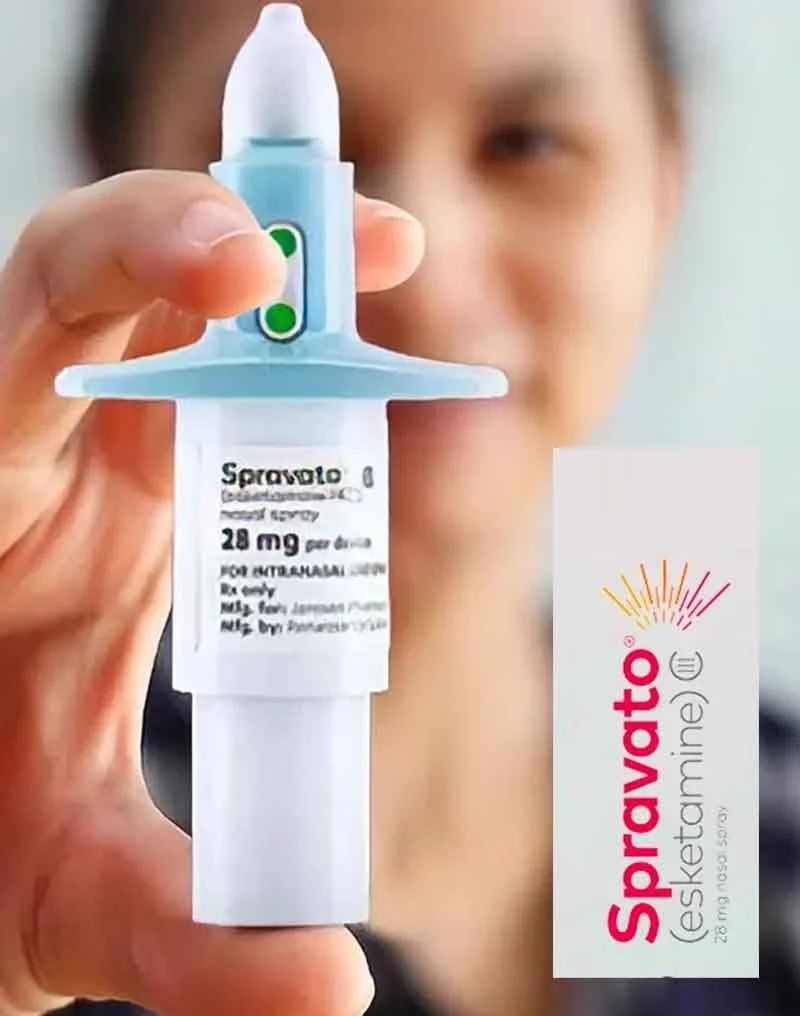
Spravato (esketamine) is an FDA-approved nasal spray for treatment-resistant depression and major depressive disorder with suicidal ideation, providing relief from disruptive symptoms. Sessions are administered in a certified clinic, and they require patients to remain on-site for monitoring after each dose. Here is more information on what Spravato is, who it’s designed for, and what a session involves:
What Is Spravato?
Spravato is the brand name for esketamine, a nasal spray derived from ketamine, and it helps adults with treatment-resistant depression (TRD) or major depressive disorder (MDD) with acute suicidal ideation or behavior. Spravato works differently from traditional antidepressants. Rather than targeting serotonin or dopamine, esketamine acts on the brain’s glutamate system, specifically NMDA receptors, which may explain why it produces results more quickly than conventional medications. It is only available through certified healthcare settings.
Who Does It Help?
Spravato is prescribed for adults who have not responded adequately to at least two oral antidepressants, a profile referred to as treatment-resistant depression. It is approved for patients with MDD who are experiencing active suicidal ideation. A prescribing psychiatrist will conduct a full clinical evaluation before recommending Spravato. This decision is informed by factors such as:
- A patient’s medical history
- Current medications being taken
- The severity of depressive symptoms
Spravato is used alongside an oral antidepressant and is not administered as a standalone treatment.
What Does a Session Involve?
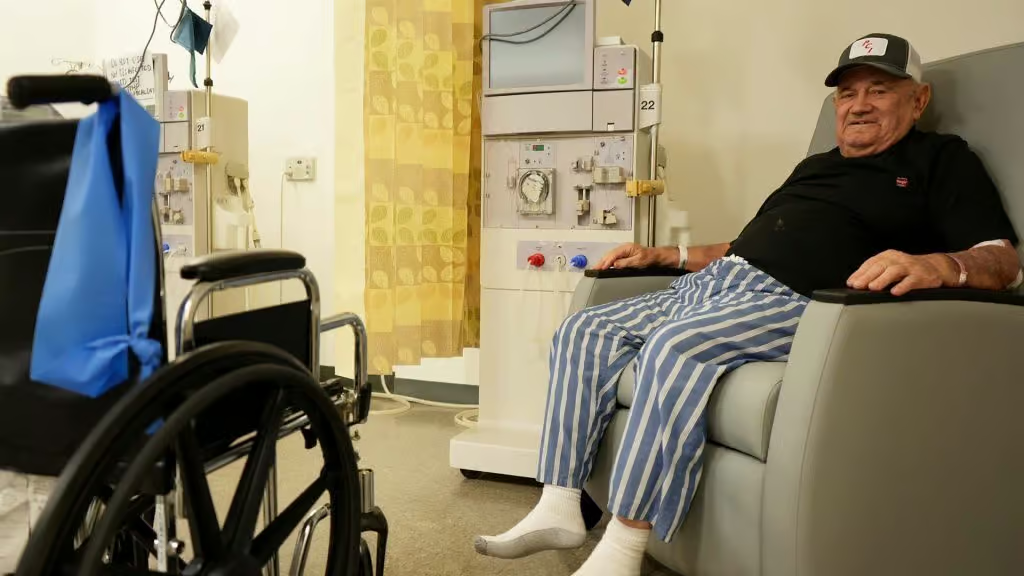
Each session takes place in a certified clinical setting; patients cannot self-administer Spravato at home. At the start of the appointment, a healthcare provider will review the patient’s current symptoms, and they will confirm that it is appropriate to proceed. The nasal spray is then self-administered under clinical supervision.
After the treatment is administered, patients remain in the clinic for a mandatory observation period. During this time, the care team may monitor for common side effects such as dissociation, dizziness, nausea, and elevated blood pressure. These effects are generally temporary, and they may resolve before discharge. Patients are not permitted to drive after a session, so arranging transportation in advance is necessary.
What Are the Benefits?
One notable aspect of Spravato is the speed of its effects; some patients may report improvements in depressive symptoms within hours to days of their first session. This timeline contrasts with oral antidepressants, which typically take weeks to produce noticeable effects. This rapid onset is particularly relevant for patients experiencing acute suicidal ideation.
Long-term maintenance treatment may delay relapse in patients who achieve remission. Individual responses vary, and not all patients experience the same degree of benefit. Patients in Spravato programs are monitored consistently throughout treatment. This ongoing clinical contact allows providers to track progress, which helps them adjust treatment schedules accordingly.
Know What To Expect
Spravato represents a valuable option for patients who have not found relief through conventional antidepressants. Sessions are structured, supervised, and conducted within a certified clinical environment, and understanding the process, including how the medication works and what the observation period involves, can make the first appointment more manageable. If you have TRD or MDD with suicidal thoughts, speak with a psychiatrist to evaluate your treatment options.