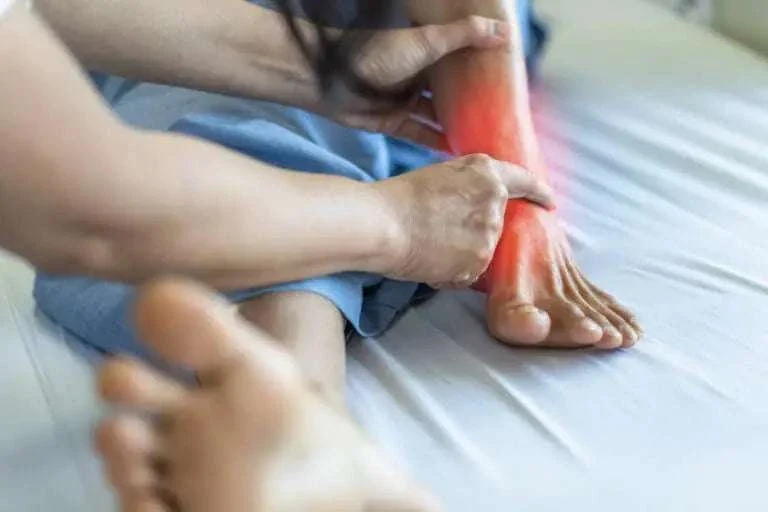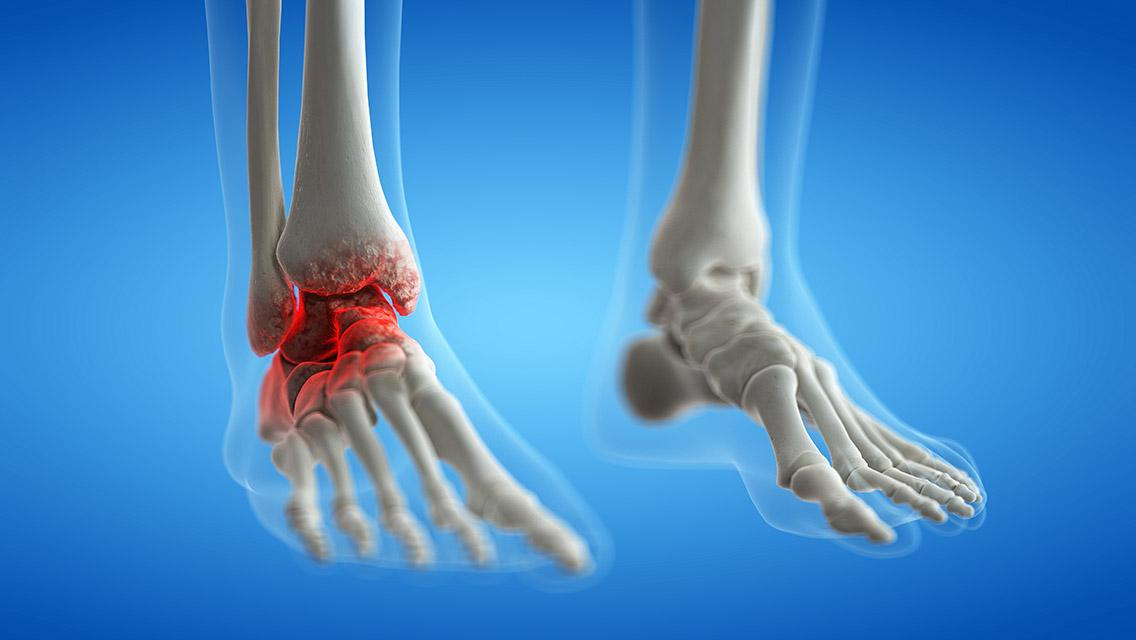
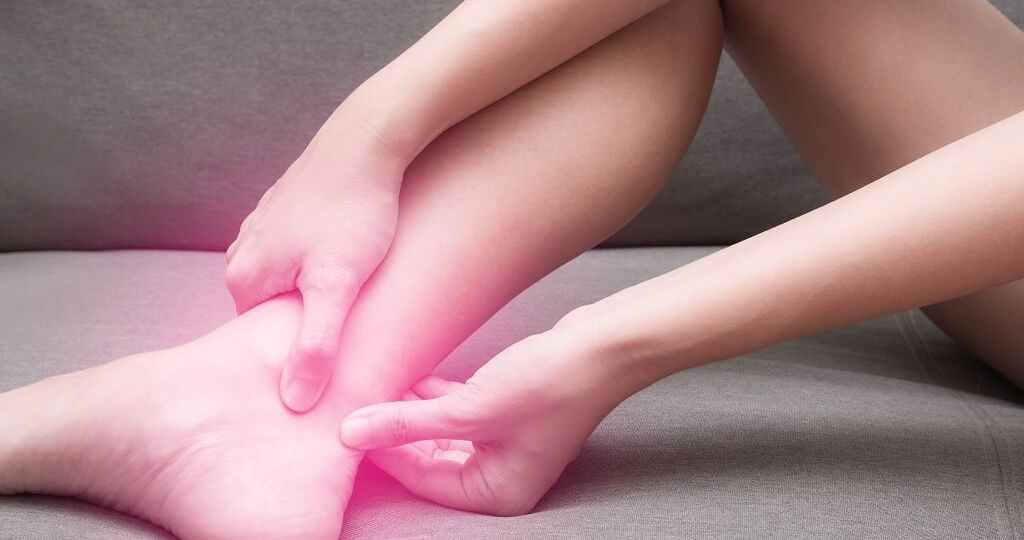
Achilles tendonitis is a common condition that affects the back of the lower leg, just above the heel. It happens when the Achilles tendon becomes irritated, inflamed, or overused. The Achilles tendon is the strongest and largest tendon in the human body. It connects your calf muscles to your heel bone and helps you walk, run, jump, and stand on your toes.
Even though it is strong, it can still get damaged if it is used too much or not cared for properly. Many athletes, runners, and active people face this problem, but it can also happen to anyone who suddenly increases physical activity or wears poor footwear.
In this article, we will explain Achilles tendonitis in simple words, including its causes, symptoms, treatment, and prevention. You will also find helpful FAQs at the end.
What is Achilles Tendonitis?
Achilles tendonitis is an injury that causes pain and swelling in the Achilles tendon. This tendon works like a thick rope connecting your calf muscles to your heel bone. Every time you take a step, this tendon is active.
When it becomes overworked, tiny tears can develop in the tissue. The body tries to repair these tears, but if the tendon is not given enough rest, inflammation builds up. This leads to pain, stiffness, and difficulty moving the foot normally.
There are two main types of Achilles tendonitis:
- Non-insertional Achilles tendonitis – affects the middle part of the tendon.
- Insertional Achilles tendonitis – affects the lower part where the tendon attaches to the heel bone.
Causes of Achilles Tendonitis
There are several reasons why Achilles tendonitis can develop. The most common causes include:
1. Overuse of the tendon
Running, jumping, or walking long distances without proper rest can strain the tendon.
2. Sudden increase in activity
If you suddenly start intense exercise after a long break, the tendon may not be ready for the pressure.
3. Tight calf muscles
When calf muscles are stiff, they put extra stress on the Achilles tendon.
4. Poor footwear
Shoes that do not support your feet properly can increase the risk of injury.
5. Incorrect exercise technique
Poor running posture or wrong training methods can overload the tendon.
6. Age factor
As people get older, tendons become less flexible and more prone to injury.
7. Flat feet or high arches
Foot structure can also affect how pressure is distributed on the tendon.
Symptoms of Achilles Tendonitis
The symptoms usually develop slowly and get worse over time. Common signs include:
- Pain or burning sensation in the back of the heel
- Stiffness in the ankle, especially in the morning
- Swelling near the tendon
- Tenderness when touching the area
- Difficulty walking or running
- Pain that worsens during physical activity
- Thickening of the tendon in some cases
At first, the pain may only appear after exercise, but if ignored, it can become constant and even occur during rest.
Diagnosis
Doctors usually diagnose Achilles tendonitis by:
- Asking about your symptoms and physical activity
- Examining the heel and ankle area
- Pressing the tendon to check pain points
- Sometimes using imaging tests like ultrasound or MRI for detailed view
Early diagnosis is important because it helps prevent further damage.
Treatment Options for Achilles Tendonitis
The good news is that Achilles tendonitis can usually be treated without surgery. The goal of treatment is to reduce pain, heal the tendon, and restore normal movement.
1. Rest
Rest is the first and most important step. Avoid activities that cause pain, especially running or jumping.
2. Ice therapy
Applying ice on the painful area for 15–20 minutes helps reduce swelling and pain.
3. Pain relief medicines
Doctors may recommend anti-inflammatory medicines to reduce pain and swelling.
4. Stretching exercises
Gentle stretching of calf muscles improves flexibility and reduces stress on the tendon.
5. Physical therapy
A physiotherapist may guide you through special exercises to strengthen the tendon safely.
6. Proper footwear
Wearing supportive shoes or heel lifts can reduce pressure on the tendon.
7. Gradual return to activity
Once pain reduces, physical activity should be restarted slowly and carefully.
8. Surgery (rare cases)
If the condition becomes severe and does not improve with other treatments, surgery may be needed to repair the tendon.
Recovery Time
Recovery time depends on how serious the injury is. Mild cases may heal in a few weeks, while more severe cases can take several months. The key is patience and avoiding rushing back into intense activity too soon.
Prevention of Achilles Tendonitis
Preventing this condition is easier than treating it. Here are some helpful tips:
- Warm up before exercise
- Stretch your calf muscles regularly
- Increase activity levels slowly
- Wear proper sports shoes
- Avoid running on hard surfaces too often
- Strengthen leg muscles through regular exercise
- Take rest days between workouts
By following these steps, you can reduce the risk of tendon injury.
Living with Achilles Tendonitis
If you already have Achilles tendonitis, you do not need to stop all activity completely. Instead, you should adjust your lifestyle. Choose low-impact exercises like swimming or cycling instead of running. Listen to your body and avoid pushing through pain.
With proper care, most people recover fully and return to their normal activities without long-term problems.
Conclusion
Achilles tendonitis is a painful but treatable condition that affects the strong tendon connecting your calf to your heel. It usually happens due to overuse, sudden physical activity, or poor foot support. The main symptoms include pain, stiffness, and swelling in the back of the heel.
The good news is that most cases can be treated with rest, ice, stretching, and proper care. Preventing the condition is also possible by using good footwear, warming up before exercise, and increasing activity slowly.
Taking early action is very important. If you feel pain in your Achilles tendon, do not ignore it. Proper care can help you recover faster and avoid long-term damage.
Frequently Asked Questions (FAQs)
1. What is the main cause of Achilles tendonitis?
The main cause is overuse of the Achilles tendon, especially during running, jumping, or sudden physical activity.
2. Can Achilles tendonitis heal on its own?
Mild cases can improve with rest, but proper treatment helps faster and safer healing.
3. How long does it take to recover?
Recovery can take a few weeks to several months depending on the severity of the injury.
4. Can I still walk with Achilles tendonitis?
Yes, but walking may be painful. It is important to avoid activities that increase pain.
5. How can I prevent Achilles tendonitis?
You can prevent it by stretching regularly, wearing proper shoes, and increasing exercise intensity slowly.