Varicose veins are enlarged and twisted veins that often develop in the legs when blood flow is affected. Certain factors, such as age, prolonged standing, and lifestyle habits, may increase the risk of developing them. Here is what to know about who may be at risk for varicose veins and the treatment options that can help manage them:
Identify Risk Factors
Some people are at higher risk of developing varicose veins than others. Age plays a key role; the valves inside veins tend to weaken over time as a person grows older. Family history matters too; if your parents had it, you may be at increased risk. Pregnancy also raises the chance, as the body carries more blood and added pressure builds in the legs. Other factors include long hours of standing, excess body weight, and a job that keeps you in one position for most of the day. Knowing these factors is helpful because it lets you watch for early changes and contemplate your options.
Watch Key Symptoms
Early detection is key to managing varicose veins effectively, so it is key to recognize the symptoms that indicate their development. Watch for the following symptoms, which often appear together or develop slowly over time:
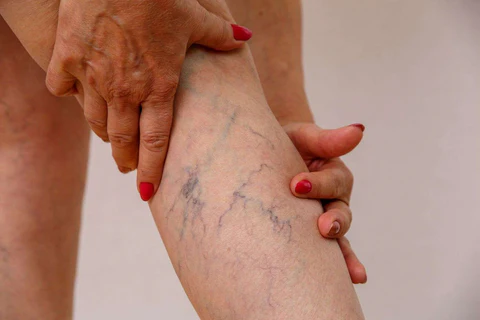
- Visible twisted veins: Dark blue or purple veins bulge under the skin, and they usually stand out on the legs.
- Aching or heavy legs: Your legs may feel tired or heavy, especially after you stand for long stretches.
- Swelling: Ankles and lower legs can swell, and the swelling may worsen by the end of the day.
- Itching: The skin around a vein can itch, which some people notice before other signs appear.
- Throbbing or cramping: A throbbing sensation or muscle cramps may occur, often at night.
These signs vary from person to person, so track any changes you notice and share them with a healthcare provider during a checkup.
Support Lifestyle and Home Care
Daily habits can support healthy circulation. Regular movement keeps blood flowing; a daily walk or gentle stretch may reduce pressure in the legs. Raising your legs above heart level for a few minutes can ease swelling. Compression stockings offer another option, as they apply constant pressure that supports the veins throughout the day. Maintaining a steady weight, drinking water, and avoiding prolonged sitting are also helpful steps. These habits will not eliminate varicose veins, but they may help you stay comfortable as you deliberate on further care.
Explore Treatment Options
When home care is not enough, a healthcare provider can recommend medical options. Several options exist, and the right choice depends on the size and location of your veins. Here are some of them:
- Sclerotherapy: A provider injects a solution into the vein, which causes it to close and fade over time.
- Laser treatment: Focused light energy targets smaller veins, and the heat seals them without an incision.
- Endovenous ablation: A thin tube delivers heat or energy inside a larger vein, which closes the vein from within.
- Ambulatory phlebectomy: A provider removes surface veins through tiny punctures.
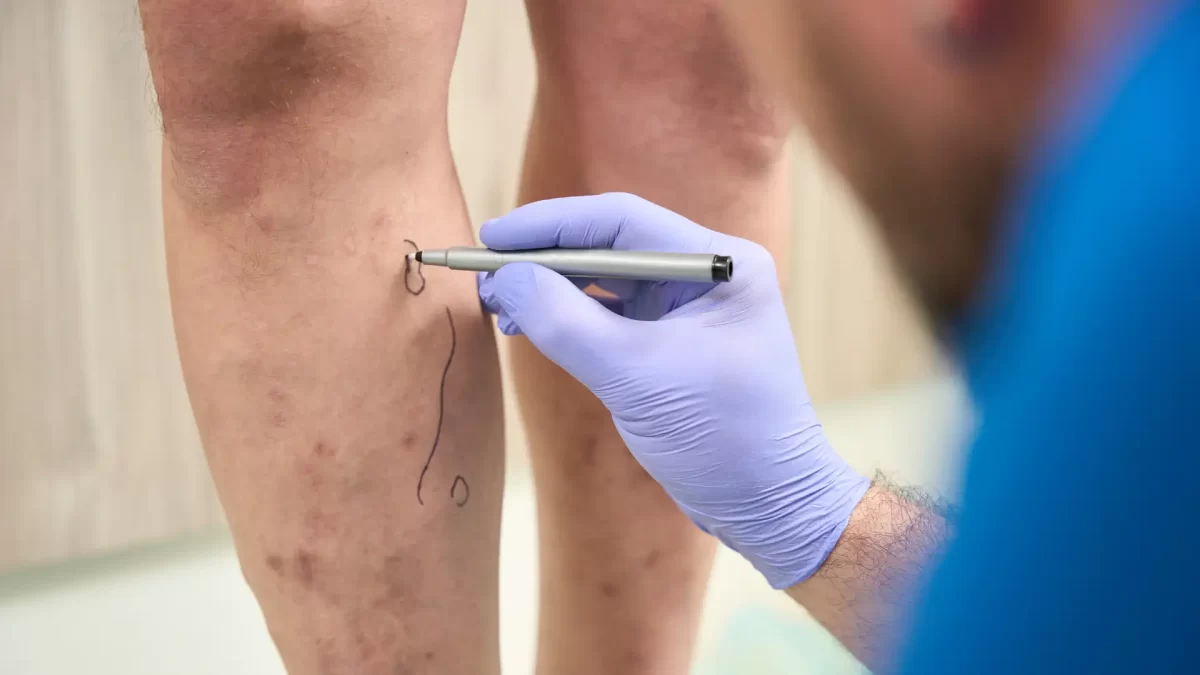
A provider will review your symptoms and explain which option suits your situation.
Treat Your Varicose Veins Today
Several factors increase the risk of varicose veins, including age, family history, and prolonged standing. Effective treatment options range from minimally invasive procedures to surgical approaches. Each method is tailored to address specific symptoms and vein conditions, making sure patients receive care that best suits their needs. Contact a qualified healthcare provider near you to schedule your appointment and explore available treatments for varicose veins today.